

Forex Trading Accounts
Exness Zero Account: Zero Spread Trading Explained
Understanding zero spread accounts with commission-based pricing

Forex Analyst
Forex Analyst specializing in currency markets, market trends, technical and fundamental analysis, and providing clear insights to help traders make informed decisions.
The Exness Zero Account is designed for traders who prioritize tight spreads and transparent commission-based pricing. This account type offers spreads starting from zero pips on major currency pairs, with costs structured around a fixed commission per lot traded. It belongs to the professional account category alongside Raw Spread and Pro accounts, targeting experienced traders and those using algorithmic strategies.
Contents
- What Is the Exness Zero Account
- Zero Spread vs Raw Spread Account Differences
- Minimum Deposit and Account Requirements
- Commission Structure and Trading Costs
- Available Trading Instruments
- Trading Platforms and Execution
- Leverage and Margin Requirements
- Opening a Zero Account Step by Step
- Comparing Zero Account with Other Exness Accounts
- Risk Management Considerations
- Deposit and Withdrawal Options
- Final Assessment of Exness Zero Account
Zero spread accounts have gained popularity among scalpers, high-frequency traders, and anyone who wants predictable trading costs. By eliminating the spread markup, the broker shifts to a commission model that can be easier to calculate for risk management. The Exness Zero Account provides access to the same liquidity pool and execution technology as other account types, but with a cost structure that favors high-volume trading.
This guide examines the Zero Account specifications, compares it with alternative account types, and outlines the practical considerations for traders evaluating whether this structure aligns with their strategy. We cover commission rates, minimum deposit requirements, available instruments, platform compatibility, and risk factors that apply to leveraged trading.
What Is the Exness Zero Account
The Exness Zero Account is a professional-grade trading account that offers spreads from zero pips on major forex pairs. Instead of earning revenue through spread markups, Exness charges a fixed commission per round-turn lot. This model provides cost transparency, as traders know exactly what each trade costs regardless of market conditions. The account supports market execution with no requotes and allows all trading styles including scalping, hedging, and expert advisors.
- Spreads from 0.0 pips on major pairs
- Fixed commission per lot traded
- Market execution with no dealing desk
- Maximum leverage up to 1:2000
- Minimum deposit applies for account activation
- Supports MT4, MT5, and Exness Web Terminal
The account is categorized under professional accounts, which means it is intended for traders with sufficient experience to manage the risks associated with high leverage and commission-based costs. Unlike standard accounts that build costs into wider spreads, the Zero Account separates the raw market spread from the broker commission, making it easier to calculate true trading expenses for each position.
Zero spread accounts shift cost visibility from variable spreads to fixed commissions, giving traders clearer insight into per-trade expenses.
Zero Spread vs Raw Spread Account Differences
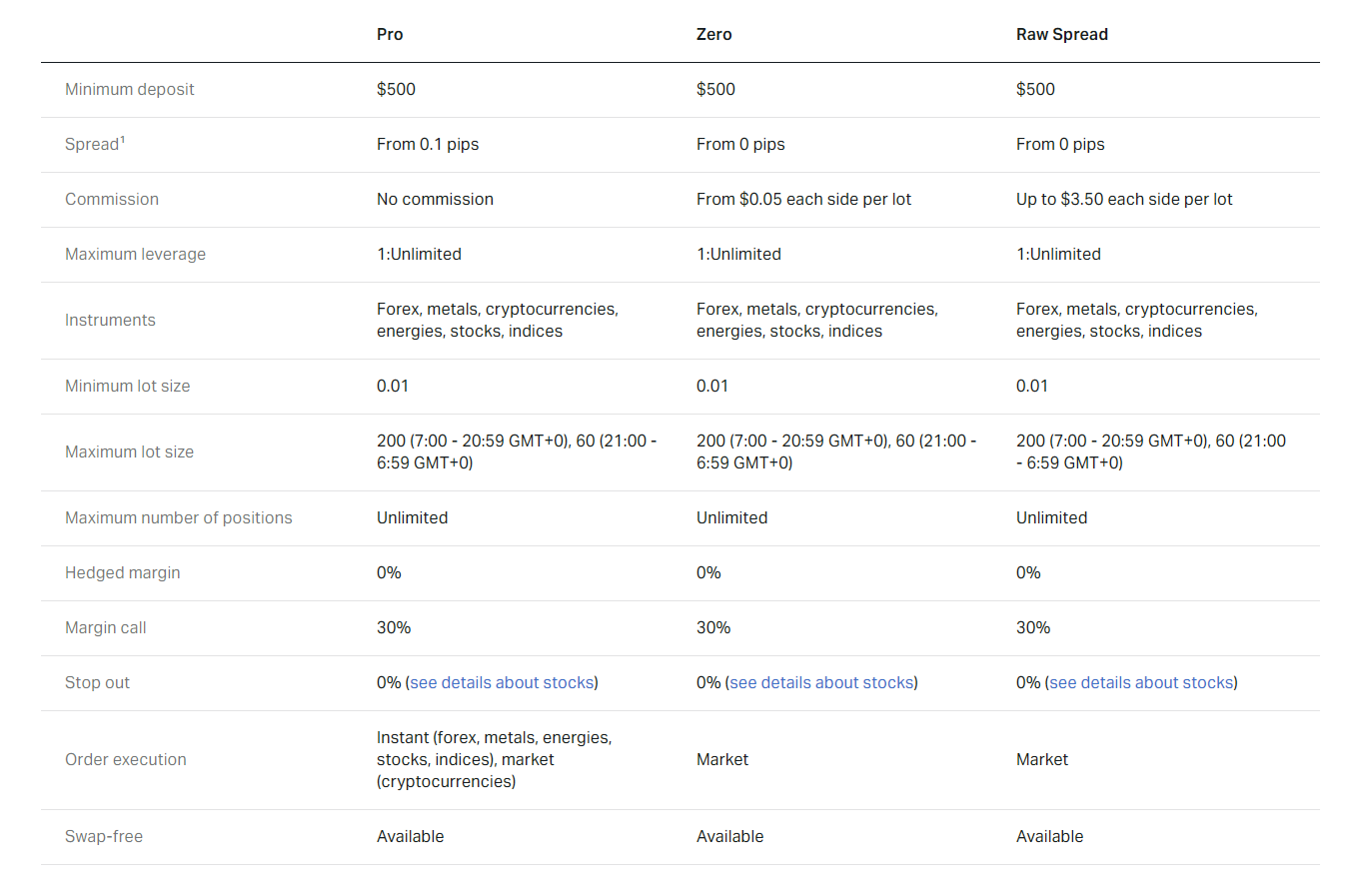
Exness offers two zero-spread professional accounts: Zero Account and Raw Spread Account. Both provide spreads from zero pips, but they differ in commission structure and minimum deposit requirements. Understanding these distinctions helps traders select the account that matches their volume and capital allocation.
Scroll horizontally to see all columns
| Feature | Zero Account | Raw Spread Account |
|---|---|---|
| Spreads | From 0.0 pips | From 0.0 pips |
| Commission Model | Fixed per lot | Variable per instrument |
| Minimum Deposit | Higher threshold | Lower threshold |
| Target Traders | High-volume, algorithmic | General professional use |
| Commission Transparency | Uniform across majors | Instrument-specific rates |
The Zero Account typically features a uniform commission rate for major forex pairs, while the Raw Spread Account applies instrument-specific commissions that reflect underlying liquidity costs. Traders who focus on a narrow set of major pairs may prefer the predictable commission of the Zero Account, whereas those trading diverse instruments including metals, energies, and indices might find the Raw Spread structure more aligned with actual market costs.
Minimum Deposit and Account Requirements
The Exness Zero Account requires a minimum deposit that is higher than standard accounts but consistent with professional account tiers. This threshold ensures that traders have sufficient capital to withstand the commission costs and leverage exposure typical of zero-spread trading. The exact amount may vary by region and regulatory jurisdiction, so traders should verify the current requirement in their Personal Area before funding.
- Minimum deposit required for activation
- Amount varies by country and regulation
- No minimum deposit for subsequent top-ups
- Account verification required before trading
- Supports multiple base currencies
Traders should consider that the minimum deposit represents the initial funding needed to open the account, not a maintenance balance. Once the account is active, additional deposits can be made in any amount supported by the chosen payment method. The higher entry barrier reflects the account's orientation toward serious traders who understand commission-based cost structures.
Regulatory requirements may impose additional conditions such as leverage restrictions for retail clients in certain jurisdictions. Professional clients who qualify under regulatory criteria may access higher leverage levels. It is important to review the specific terms applicable to your residence before committing capital to a Zero Account.
Commission Structure and Trading Costs
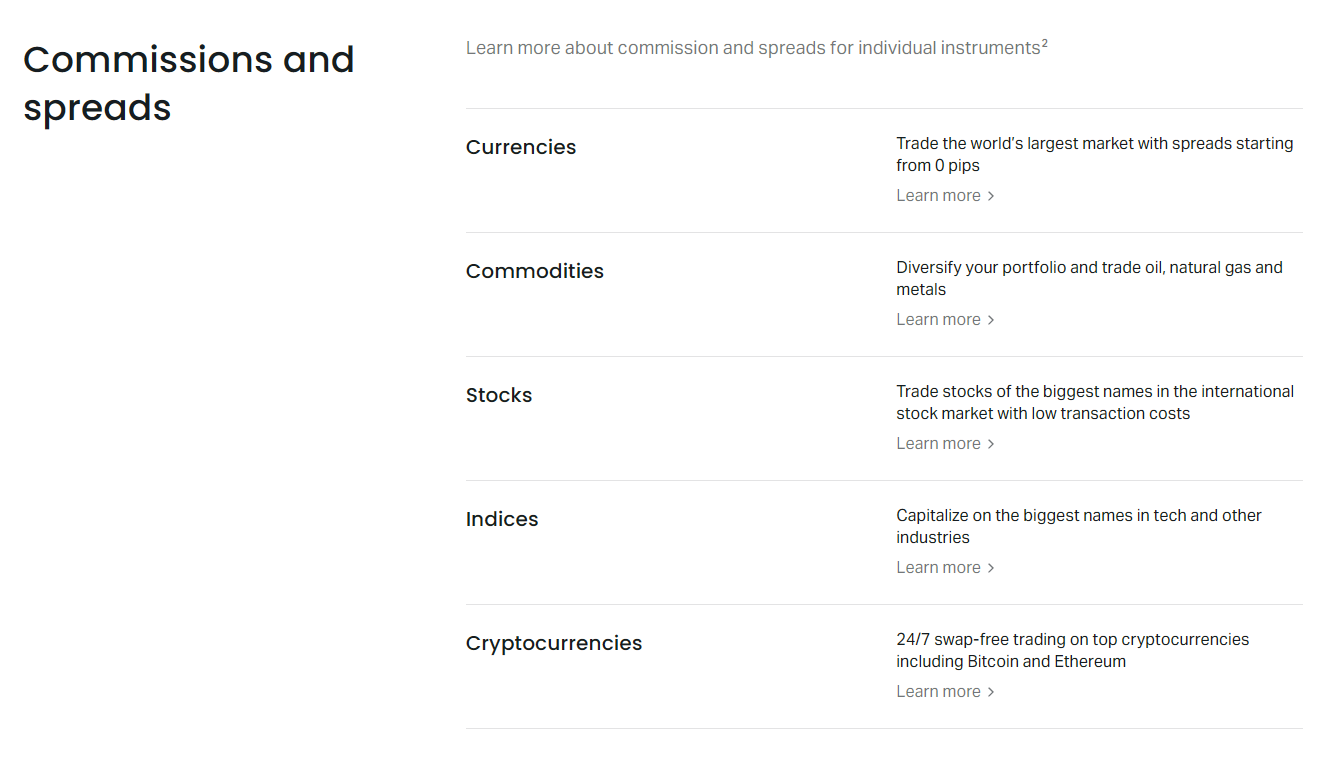
The defining characteristic of the Zero Account is its commission-based pricing. Instead of paying a spread markup on every trade, traders pay a fixed commission per standard lot (100,000 units of base currency) for a round-turn transaction — opening and closing a position. This commission is charged at the time the position is opened and is visible in the trading terminal.
Scroll horizontally to see all columns
| Instrument Category | Commission Per Lot (Round Turn) | Spread Range |
|---|---|---|
| Major Forex Pairs | Fixed rate per lot | 0.0 – 0.3 pips |
| Minor Forex Pairs | Fixed rate per lot | 0.1 – 0.5 pips |
| Metals (Gold, Silver) | Fixed rate per lot | 0.0 – 0.4 pips |
| Indices and Energies | Fixed rate per lot | 0.2 – 1.0 pips |
Commission rates are published in the Exness Personal Area and trading terminal specifications. Traders should verify current rates before trading, as they may be adjusted periodically. The total cost of a trade equals the commission plus any residual spread. During high liquidity periods, major pairs often trade at or near zero spread, making the commission the sole cost component.
Fixed commissions simplify cost modeling for algorithmic strategies that execute hundreds of trades per day.
Available Trading Instruments
The Zero Account provides access to the full range of instruments offered by Exness, including forex pairs, metals, energies, indices, stocks, and cryptocurrencies. The zero-spread benefit is most pronounced on major forex pairs and gold, where deep liquidity allows spreads to compress to minimal levels. On less liquid instruments, spreads may widen beyond zero but remain competitive compared to standard accounts.
- Major, minor, and exotic forex pairs
- Precious metals: gold, silver, platinum, palladium
- Energies: crude oil, natural gas, Brent
- Global indices: US30, US500, USTEC, EU50, UK100
- Popular stocks from major exchanges
- Cryptocurrency pairs: BTCUSD, ETHUSD, and others
Instrument availability may differ based on the regulatory entity servicing your account. Some jurisdictions restrict certain products such as cryptocurrencies or high-leverage indices. The trading terminal displays the complete list of enabled symbols for your specific account configuration.
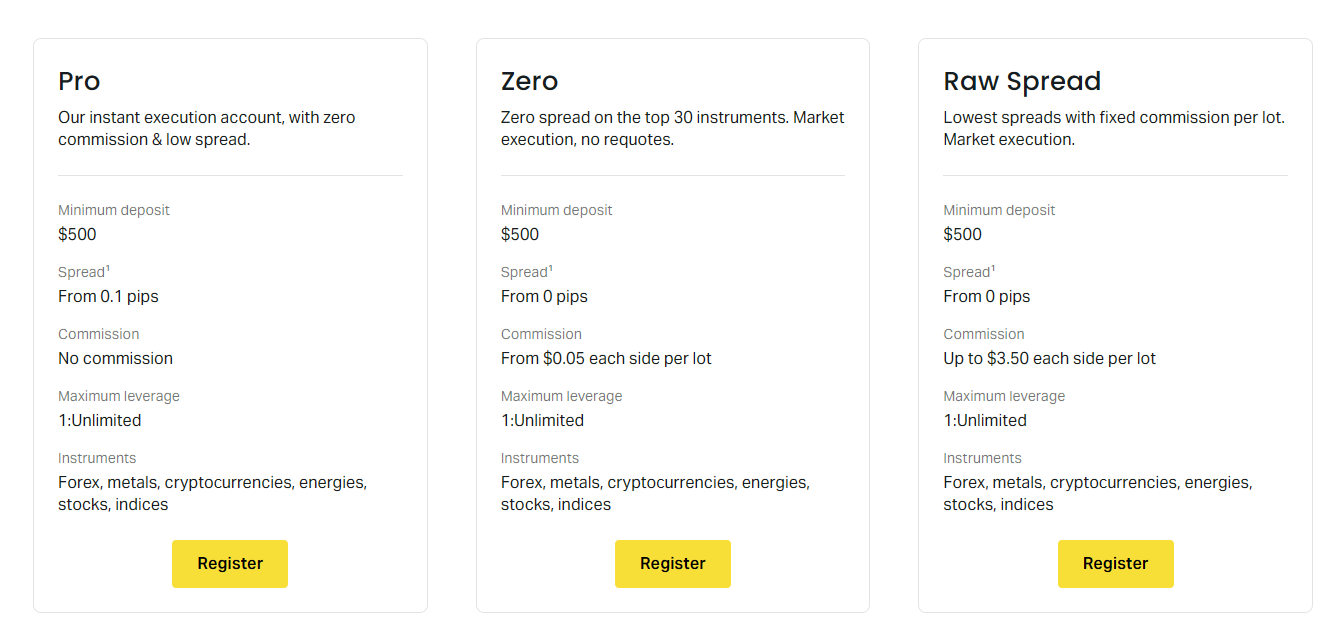
Traders using the Zero Account for multi-asset strategies should review the commission schedule for each asset class. While forex majors feature uniform commissions, other instruments may carry different rates that affect overall profitability, especially for high-frequency approaches.
Trading Platforms and Execution
The Zero Account is compatible with MetaTrader 4, MetaTrader 5, and the Exness Web Terminal. All platforms deliver the same market execution model with no dealing desk intervention. Orders are filled at the best available price from liquidity providers, with no requotes. This execution quality is essential for zero-spread accounts where slippage can significantly impact strategies that rely on precise entry and exit prices.
- MetaTrader 4: desktop, web, mobile
- MetaTrader 5: desktop, web, mobile
- Exness Web Terminal: browser-based
- Exness Trade App: mobile-first platform
- VPS hosting available for automated trading
- One-click trading and depth of market
MetaTrader 5 offers additional features such as more timeframes, an economic calendar, and improved strategy tester, which can benefit algorithmic traders using the Zero Account. The Web Terminal provides access without installation, useful for monitoring positions across devices. Exness also offers free VPS hosting for qualifying accounts, reducing latency for expert advisors.
Execution speed and stability matter more than spread width when commissions dominate trading costs.
Leverage and Margin Requirements
The Zero Account offers dynamic leverage up to 1:2000, which adjusts automatically based on the account equity and the instrument traded. Higher leverage reduces the margin required to open positions, but it also amplifies both profits and losses. Professional clients who meet regulatory criteria may access the maximum leverage, while retail clients in certain regions are subject to regulatory caps such as 1:30 for major forex pairs.
Scroll horizontally to see all columns
| Account Equity | Maximum Leverage (Forex Majors) | Margin Requirement |
|---|---|---|
| Up to $999 | 1:2000 | 0.05% |
| $1,000 – $4,999 | 1:2000 | 0.05% |
| $5,000 – $29,999 | 1:1000 | 0.1% |
| $30,000 – $99,999 | 1:500 | 0.2% |
| $100,000 and above | 1:200 | 0.5% |
Margin requirements increase as equity grows, a protective measure that reduces the risk of large positions relative to account size. Traders should monitor margin levels closely, especially when using high leverage. The stop-out level for professional accounts is typically set at 0%, meaning positions are closed only when margin reaches zero, though this can vary by regulator.
Opening a Zero Account Step by Step
Opening an Exness Zero Account follows the standard account creation flow within the Personal Area. The process requires identity verification and selection of the Zero Account type during registration or when adding a new trading account. Traders who already hold an Exness account can add a Zero Account without repeating the full verification process.
- Log in to Exness Personal Area
- Click Open New Account
- Select Professional Accounts category
- Choose Zero Account
- Set account currency and leverage preference
- Complete verification if not already done
- Fund the account with minimum deposit
- Download platform and start trading
Account currency cannot be changed after creation, so choose a base currency that matches your primary funding method to avoid conversion fees. Leverage can be adjusted later within the allowed range. The Zero Account becomes active for trading once the minimum deposit is credited and verification is approved.
New traders may want to test the Zero Account conditions on a demo version first. Exness provides demo accounts that replicate live trading conditions, including commission structure and execution. This allows strategy validation without risking real capital.
Comparing Zero Account with Other Exness Accounts
Exness offers several account types across standard and professional categories. The Zero Account sits at the professional tier alongside Raw Spread and Pro accounts. Standard and Standard Cent accounts use spread-only pricing with no commissions, making them simpler for beginners. The Pro account offers low spreads with no commission but requires higher minimum deposits. Each account type serves a different trader profile.
Scroll horizontally to see all columns
| Account Type | Pricing Model | Min Deposit | Best For |
|---|---|---|---|
| Standard | Spread only | Low | Beginners, swing traders |
| Standard Cent | Spread only (cents) | Very low | Micro-lot practice |
| Pro | Low spread, no commission | High | Experienced discretionary traders |
| Raw Spread | Zero spread, variable commission | Medium | Multi-instrument professionals |
| Zero | Zero spread, fixed commission | High | High-volume, algorithmic traders |
The choice between Zero and Raw Spread often comes down to commission predictability versus instrument coverage. The Pro account eliminates commissions entirely but carries wider spreads than the zero-spread options. Standard accounts are cost-effective for low-frequency trading where spread impact is minimal. Traders should model their expected volume and instrument mix against each account's total cost structure.
Risk Management Considerations
Trading on a Zero Account with high leverage carries significant risk. The combination of fixed commissions and variable spreads means that during low-liquidity periods — such as market open, major news releases, or rollover — spreads can widen substantially, increasing the effective cost per trade. Commission costs also accumulate rapidly with high-frequency strategies, potentially eroding profits if the edge is thin.
- Monitor spread widening during news events
- Factor commissions into risk-reward calculations
- Use stop-loss orders on every position
- Avoid over-leveraging relative to account equity
- Track total cost ratio: commissions ÷ gross profit
- Consider swap costs for overnight positions
The zero-spread advantage is most reliable during peak trading hours when major sessions overlap. Outside these windows, liquidity thins and spreads may exceed the commission savings compared to a standard account. Traders should analyze their typical trading hours against historical spread data to determine if the Zero Account provides a genuine cost benefit for their schedule.
A zero spread account only reduces costs when the commission is lower than the spread markup it replaces.
Deposit and Withdrawal Options
Funding a Zero Account uses the same payment methods available for all Exness account types. These include bank cards, electronic wallets, bank transfers, and regional payment systems. Deposits are typically instant for electronic methods, while bank transfers may take several business days. Withdrawals are processed back to the original deposit method where possible, in accordance with anti-money laundering regulations.
- Visa and Mastercard deposits and withdrawals
- Electronic wallets: Skrill, Neteller, WebMoney, Perfect Money
- Bank wire transfers for larger amounts
- Regional methods: local bank transfers, mobile payments
- Cryptocurrency deposits in select regions
- No internal transfer fees between Exness accounts
Exness is known for instant withdrawal processing on most electronic methods, a feature that applies to Zero Account holders as well. Withdrawal limits and processing times depend on the payment provider and verification status. Traders should complete full verification early to avoid delays when withdrawing profits.
Final Assessment of Exness Zero Account
The Exness Zero Account delivers on its promise of zero spreads with transparent commission pricing, making it a strong choice for high-volume traders focused on major forex pairs and gold. Its fixed commission structure simplifies cost modeling for algorithmic and scalping strategies, while the professional-grade execution and platform support meet the needs of serious market participants. The higher minimum deposit and commission accumulation at high frequency are trade-offs that each trader must evaluate against their strategy economics.
Traders considering the Zero Account should compare total projected costs — commissions plus average spreads — against the Raw Spread and Pro accounts using their actual trading history or realistic simulations. The account excels when trading during high-liquidity sessions on instruments with consistently tight raw spreads. For diversified portfolios or lower-frequency approaches, alternative account types may offer better overall value.
Frequently Asked Questions
What is the minimum deposit for Exness Zero Account?
The minimum deposit varies by region and regulatory entity. Check your Personal Area for the exact amount applicable to your jurisdiction.
How does Exness Zero Account commission work?
A fixed commission is charged per standard lot for a round-turn trade (open and close). The commission is deducted at position opening and varies by instrument category.
Can I use Expert Advisors on the Zero Account?
Yes, the Zero Account supports all trading styles including algorithmic trading with Expert Advisors on MT4 and MT5.
What is the difference between Zero Account and Raw Spread Account?
Zero Account uses fixed commissions per lot; Raw Spread uses variable commissions per instrument. Zero Account typically has a higher minimum deposit.
Is the Zero Account available for retail clients?
Availability depends on regulatory classification. In some jurisdictions, professional accounts are restricted to clients who meet professional client criteria.
What platforms support the Exness Zero Account?
MetaTrader 4, MetaTrader 5, Exness Web Terminal, and Exness Trade App all support Zero Account trading.
Are there swap fees on the Zero Account?
Yes, swap fees apply for positions held overnight. Swap rates vary by instrument and are visible in the trading terminal.
Can I switch from Standard to Zero Account?
You cannot convert an existing account. You must open a new Zero Account from your Personal Area and transfer funds internally.