

Forex Trading
Exness Minimum Withdrawal Limits and Requirements
Complete guide to Exness withdrawal minimums, fees, and step-by-step withdrawal process

Forex Analyst
Forex Analyst specializing in currency markets, market trends, technical and fundamental analysis, and providing clear insights to help traders make informed decisions.
Exness has established itself as a prominent multi-asset broker offering traders access to forex, metals, energies, indices, stocks, and cryptocurrencies. One of the most practical considerations for any trader is understanding how to access profits efficiently. The Exness minimum withdrawal framework is designed to accommodate traders across different regions and account types while maintaining compliance with financial regulations. This comprehensive guide examines every aspect of the withdrawal process, from minimum amounts and fees to verification requirements and processing timelines.
Contents
- Minimum Withdrawal Amounts by Payment Method
- Bank Transfer Minimums
- Card Withdrawal Minimums
- E-Wallet Minimums
- Cryptocurrency Withdrawal Minimums
- Exness Withdrawal Fees and Commissions
- Withdrawal Processing Times
- Account Verification Requirements
- Step-by-Step Withdrawal Process
- Common Withdrawal Issues and Solutions
- Exness Instant Withdrawal Feature
- Regional Withdrawal Considerations
- Comparing Exness Withdrawal Terms
- Managing Withdrawals for Different Account Types
- Tax Implications and Record Keeping
- Security Best Practices for Withdrawals
- Key Takeaways on Exness Minimum Withdrawal
Traders often focus intensely on entry strategies, risk management, and platform features while overlooking the operational details of moving money out of their trading accounts. Yet the withdrawal experience can significantly impact overall satisfaction with a broker. Exness has invested heavily in payment infrastructure, offering a wide range of withdrawal methods with competitive minimums. The broker's approach emphasizes accessibility, with many methods allowing withdrawals from as little as one unit of the account currency. This flexibility benefits both new traders testing the platform with small amounts and experienced professionals managing larger portfolios.
The minimum withdrawal amount on Exness varies depending on the payment method selected, the account currency, and the trader's country of residence. Unlike some brokers that impose uniform minimums across all channels, Exness tailors its requirements to the capabilities and constraints of each payment processor. Bank transfers typically carry higher minimums due to intermediary banking fees, while electronic wallets and cryptocurrency withdrawals often feature the lowest thresholds. Understanding these distinctions helps traders choose the most cost-effective method for their specific situation.
Before initiating any withdrawal, traders must complete the account verification process, known as Know Your Customer (KYC). This regulatory requirement involves submitting identity documents and proof of address. Exness typically processes verification within 24 hours, though complex cases may take longer. Unverified accounts face withdrawal restrictions, including lower limits or complete inability to withdraw funds. Completing verification early prevents delays when profits are ready to be accessed. The verification status is visible in the Personal Area, allowing traders to monitor progress.
Minimum Withdrawal Amounts by Payment Method
Exness supports a diverse array of withdrawal methods, each with distinct minimum amounts, processing times, and fee structures. The broker categorizes these methods into bank transfers, credit and debit cards, electronic wallets, and cryptocurrency networks. Minimum amounts are generally expressed in the account's base currency, though some payment processors impose their own minimums in their native currencies. Traders should verify current requirements in their Personal Area, as payment processor policies can change.
Bank Transfer Minimums
Bank wire transfers remain a preferred method for larger withdrawals due to their high limits and universal acceptance. Exness processes bank withdrawals in major currencies including USD, EUR, GBP, and numerous local currencies. The minimum withdrawal via bank transfer typically starts at 10 USD or equivalent, though this can vary by region and receiving bank. International wire transfers may involve intermediary banks that deduct fees, reducing the net amount received. Traders should confirm whether their bank charges incoming wire fees and factor these into withdrawal planning.
- Minimum: 10 USD or currency equivalent for most regions
- Processing time: 1-5 business days depending on destination
- Intermediary bank fees may apply and are outside Exness control
- SWIFT transfers support major and many minor currencies
- Local bank transfers available in select countries with lower fees
Local bank transfer options have expanded significantly, with Exness partnering with payment providers in Asia, Africa, Latin America, and the Middle East. These local transfers often feature lower minimums, sometimes as low as 1-5 USD equivalent, and faster processing times of a few hours to one business day. They also eliminate intermediary bank fees, making them more cost-effective for smaller withdrawals. Availability depends on the trader's registered country and the currencies supported by local banking partners.
Card Withdrawal Minimums
Credit and debit card withdrawals are processed back to the original card used for deposit, in compliance with anti-money laundering regulations. Visa and Mastercard are the primary supported networks. The minimum card withdrawal is typically 3 USD or equivalent, making cards accessible for small withdrawals. However, card withdrawals are limited to the total amount deposited via that specific card. Profits exceeding the deposited amount must be withdrawn through an alternative method such as bank transfer or e-wallet.
- Minimum: 3 USD or equivalent per transaction
- Maximum: Limited to total deposits made to that card
- Processing time: 1-14 business days depending on card issuer
- Only Visa and Mastercard supported for withdrawals
- Card must be in the trader's name matching account registration
Card withdrawal processing times vary significantly by issuing bank and country. While Exness processes the request promptly, the funds' arrival depends on the card network and issuer's internal procedures. Some banks post refunds within 24 hours, while others may take up to two weeks. Traders should not confuse Exness processing time with total delivery time. The Personal Area shows the status as "Complete" once Exness releases funds, but the card issuer may require additional days to credit the account.
E-Wallet Minimums
Electronic wallets offer some of the lowest minimum withdrawal amounts on Exness, often starting at just 1 USD or equivalent. Supported e-wallets include Neteller, Skrill, WebMoney, Perfect Money, and various regional options like Sticpay, PayTrust, and local providers in Southeast Asia, Africa, and Latin America. E-wallets are popular for their speed, with most withdrawals completing within minutes to a few hours after Exness approval. They also bypass traditional banking hours, operating 24/7 including weekends and holidays.
- Minimum: 1 USD or equivalent for most e-wallets
- Processing time: Typically instant to 24 hours
- No profit withdrawal limits unlike cards
- Regional e-wallets available for local currency convenience
- Account verification required before first e-wallet withdrawal
Each e-wallet provider maintains its own fee structure for receiving funds and subsequent withdrawal to bank accounts or cards. Exness does not charge fees for e-wallet withdrawals, but the e-wallet service may apply its own charges. Traders should review the total cost chain from Exness to final destination. Some e-wallets offer preferential rates for higher-volume users or specific account tiers. Regional e-wallets often provide the most cost-effective path for traders in emerging markets where international banking is expensive or slow.
Cryptocurrency Withdrawal Minimums
Cryptocurrency withdrawals have gained popularity among Exness traders for their speed, low minimums, and independence from traditional banking systems. Exness supports major networks including Bitcoin (BTC), Ethereum (ERC-20), Tether (USDT on ERC-20 and TRC-20), Bitcoin Cash, Litecoin, and others. Minimum withdrawal amounts are denominated in the cryptocurrency itself rather than fiat equivalent, typically ranging from 0.0005 BTC for Bitcoin to 10 USDT for Tether. Network fees (gas fees) are deducted from the withdrawal amount and vary with blockchain congestion.
- Bitcoin minimum: 0.0005 BTC (network fee additional)
- USDT ERC-20 minimum: 10 USDT plus Ethereum gas fees
- USDT TRC-20 minimum: 10 USDT with lower network fees
- Ethereum minimum: 0.005 ETH plus gas fees
- Processing: Usually within 1 hour after blockchain confirmation
Cryptocurrency withdrawals require the trader to provide a valid destination wallet address compatible with the selected network. Sending USDT ERC-20 to a TRC-20 address, for example, would result in permanent loss of funds. Exness displays network-specific warnings during the withdrawal process. Traders should double-check address format and network selection. The broker processes crypto withdrawals 24/7, but blockchain confirmation times depend on network conditions. During periods of high congestion, Bitcoin and Ethereum transactions may take longer and cost more in network fees.
The payments interface in the Exness Personal Area provides a clear overview of all available withdrawal methods for the trader's region. Each method displays the current minimum, maximum, processing time, and any applicable fees. This transparency allows traders to compare options side by side before initiating a withdrawal. The interface also shows which methods are available based on the trader's verification level and deposit history.
Exness Withdrawal Fees and Commissions
Exness maintains a policy of zero internal fees for withdrawals across all payment methods. The broker absorbs payment processor costs for most methods, meaning the amount requested is the amount sent. However, external fees may apply from payment processors, intermediary banks, or blockchain networks. These third-party fees are outside Exness control and vary by method. Understanding the complete fee picture helps traders maximize the net amount received.
Scroll horizontally to see all columns
| Method | Exness Fee | Third-Party Fees | Typical Net Cost |
|---|---|---|---|
| Bank Wire (SWIFT) | 0 USD | Intermediary banks 10-50 USD | 10-50 USD |
| Local Bank Transfer | 0 USD | Usually 0-5 USD | 0-5 USD |
| Visa/Mastercard | 0 USD | Card issuer may charge | 0-3% typically |
| Neteller/Skrill | 0 USD | E-wallet withdrawal fees | 1-3% typically |
| Cryptocurrency | 0 USD | Blockchain network fees | Variable by network |
The table above illustrates typical fee structures, but actual costs depend on specific circumstances. Bank wire fees are the most variable, as they depend on the number of intermediary banks involved in the transfer path. Some receiving banks charge incoming wire fees of 15-30 USD regardless of amount. Local bank transfers generally avoid these fees by using domestic payment rails. Card refunds rarely incur fees from issuers, but some banks classify them as cash advances or foreign transactions, triggering charges. E-wallet fees apply when moving funds from the wallet to a bank account or card, not when receiving from Exness.
Withdrawal Processing Times
Processing time is a critical factor when choosing a withdrawal method, especially for traders who need regular access to funds for living expenses or reinvestment. Exness processes withdrawal requests during business hours, with most methods handled automatically once approved. The broker's internal processing typically completes within minutes to a few hours for verified accounts. However, the total time until funds are usable depends on the payment method's own settlement timeline.
Scroll horizontally to see all columns
| Method | Exness Processing | Total Delivery Time | Weekend Processing |
|---|---|---|---|
| Bank Wire (SWIFT) | Up to 24 hours | 1-5 business days | No |
| Local Bank Transfer | Up to 1 hour | Minutes to 1 business day | Varies by region |
| Visa/Mastercard | Up to 24 hours | 1-14 business days | No |
| E-Wallets | Up to 1 hour | Instant to 24 hours | Yes, 24/7 |
| Cryptocurrency | Up to 1 hour | 10 minutes to 1 hour | Yes, 24/7 |
Exness offers instant withdrawals for many electronic payment methods, meaning the funds are released automatically without manual review once the request passes automated checks. This feature is available for verified accounts using e-wallets, local bank transfers in supported regions, and cryptocurrency. Instant withdrawal eligibility depends on account verification status, withdrawal history, and the specific payment method. Traders can see which methods offer instant processing in their Personal Area. The instant withdrawal system operates continuously, including weekends and holidays, for compatible methods.
The speed of accessing trading profits is as important as the trading conditions themselves. Exness has prioritized withdrawal automation to reduce friction between traders and their funds.
Account Verification Requirements
Account verification is a mandatory step before any withdrawal can be processed. Exness follows international KYC and AML standards requiring identity verification for all live trading accounts. The process involves submitting a government-issued photo ID (passport, national ID, or driver's license) and proof of address (utility bill, bank statement, or government correspondence) issued within the last three months. Documents must be clear, legible, and match the account registration details exactly.
- Valid government-issued photo ID with full name and date of birth
- Proof of address document dated within last 3 months
- Documents must match account registration name and address
- Selfie with ID may be requested for enhanced verification
- Source of funds declaration for large withdrawals
Verification typically completes within 24 hours during business days. The compliance team reviews documents for authenticity and consistency. Common rejection reasons include blurry images, expired documents, name mismatches, and address documents older than three months. Traders receive email notifications at each stage. Once verified, the account gains full withdrawal access across all supported methods. Unverified accounts can deposit and trade but cannot withdraw funds, creating a strong incentive to complete verification promptly after registration.
Step-by-Step Withdrawal Process
Initiating a withdrawal on Exness follows a straightforward process through the Personal Area. The interface guides traders through method selection, amount entry, and confirmation. Understanding each step helps avoid common errors that can delay processing. The process is consistent across desktop and mobile platforms, with the Exness Trade app providing full withdrawal functionality.
- Log into your Exness Personal Area at my.exness.com
- Navigate to the Withdrawal section in the main menu
- Select your preferred withdrawal method from available options
- Enter the withdrawal amount (must meet minimum for chosen method)
- Provide required destination details (wallet address, bank info, etc.)
- Review the summary including any estimated fees and processing time
- Confirm the withdrawal request with your 2FA code if enabled
- Monitor status in the Transaction History section
After submission, the withdrawal request enters the processing queue. For instant withdrawal methods, funds are released automatically if all checks pass. For methods requiring manual review, the finance team processes requests during business hours. Traders receive email confirmations at key stages: request received, processing started, and completion. The Transaction History shows real-time status updates. If additional information is needed, the compliance team contacts the trader via email. Prompt responses to such requests prevent extended delays.
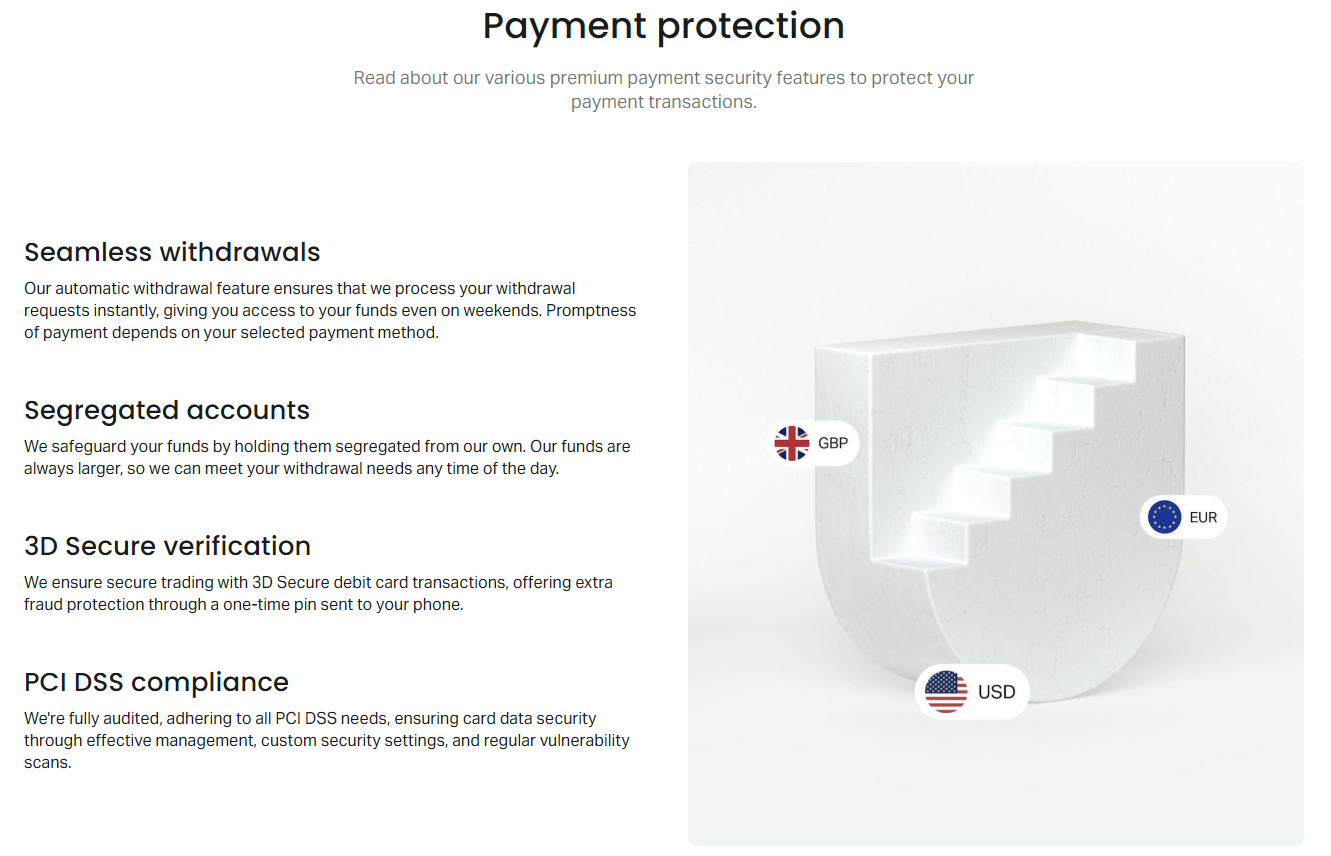
Security is paramount in the withdrawal process. Exness employs multiple layers of protection including two-factor authentication (2FA), withdrawal confirmation emails, and device authorization. Traders can enable 2FA via authenticator app or SMS for an additional security layer. Withdrawal requests to new destinations may require email confirmation. The platform also monitors for unusual patterns such as withdrawal requests from new devices or locations, triggering additional verification steps. These measures protect against unauthorized access while maintaining legitimate withdrawal flow.
Common Withdrawal Issues and Solutions
Despite Exness's streamlined withdrawal system, traders occasionally encounter issues. Understanding common problems and their resolutions reduces frustration and downtime. Most issues fall into categories: verification incomplete, payment method restrictions, amount errors, and technical glitches. The support team is available 24/7 via live chat, email, and phone to assist with withdrawal inquiries.
- Withdrawal rejected: Usually due to unverified account or mismatched details
- Funds not received: Check processing time for method, then contact support
- Wrong destination: Contact support immediately; recovery depends on method
- Amount below minimum: Increase amount to meet method requirement
- Card withdrawal limit reached: Use alternative method for profits
A frequent issue involves card withdrawal limits. Since cards can only receive refunds up to the deposited amount, traders attempting to withdraw profits to a card will have the request rejected or partially filled. The solution is to withdraw the deposit amount back to the card and send profits via bank transfer, e-wallet, or cryptocurrency. Another common situation occurs when a trader's registered payment method becomes unavailable (expired card, closed e-wallet account). In such cases, the trader must add and verify a new payment method through the Personal Area, which may require additional documentation.
Exness Instant Withdrawal Feature
The Exness instant withdrawal feature represents a significant operational advantage for active traders. Available for verified accounts using eligible payment methods, instant withdrawals process automatically without manual finance team review. The system evaluates each request against risk parameters including account history, verification level, withdrawal patterns, and payment method reliability. Requests passing all checks receive immediate approval and fund release. This automation operates continuously, providing true 24/7 withdrawal access for compatible methods.
- Available for e-wallets, local transfers, and cryptocurrencies
- Requires full account verification (identity and address)
- Account must have successful withdrawal history
- Automated risk checks evaluate each request
- Operates 24/7 including weekends and holidays
Not all withdrawal requests qualify for instant processing. Large amounts, new payment destinations, recent account changes, or flagged activity may route the request to manual review. Manual review typically completes within a few hours during business days. Traders can increase their likelihood of instant approval by maintaining consistent withdrawal patterns, using the same verified payment methods, and keeping account information current. The instant withdrawal system learns from account history, so established traders with regular withdrawal patterns experience higher automatic approval rates.
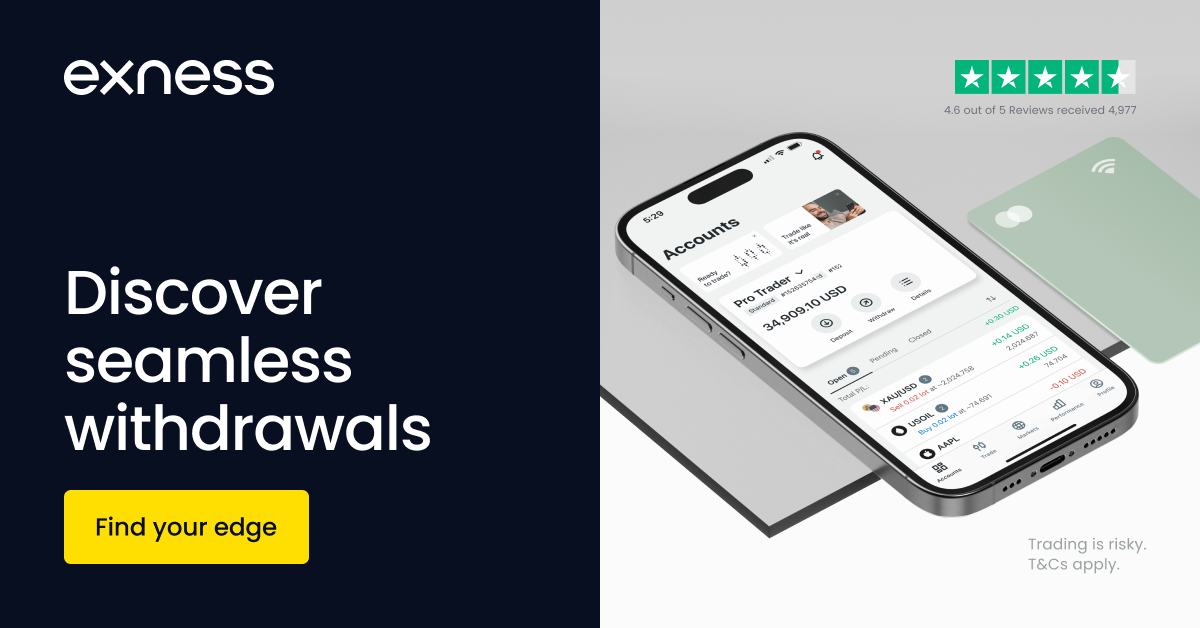
The instant withdrawal capability reflects Exness's investment in payment automation and risk management infrastructure. By combining real-time transaction monitoring with automated compliance checks, the broker can safely release funds instantly for the vast majority of requests. This capability is particularly valuable for traders in time zones far from Exness operational centers, who no longer need to wait for business hours in Cyprus or Seychelles to access their funds. The feature also benefits algorithmic traders and those using Exness VPS services who may need to rebalance accounts quickly.
Regional Withdrawal Considerations
Withdrawal availability, minimums, and processing times vary significantly by region due to local banking infrastructure, regulatory requirements, and payment provider partnerships. Exness operates globally with entities regulated in multiple jurisdictions, each serving specific geographic markets. The payment methods offered in a trader's Personal Area are filtered based on their country of residence and the regulating entity. Traders should be aware that moving to a different country may change their available withdrawal options and require re-verification under the new jurisdiction.
Scroll horizontally to see all columns
| Region | Primary Methods | Local Options | Typical Minimums |
|---|---|---|---|
| European Economic Area | Bank, Card, E-wallet, Crypto | SEPA, Trustly, local banks | 1-10 EUR |
| Southeast Asia | E-wallet, Local Bank, Crypto | Local banks, regional e-wallets | 1-5 USD equivalent |
| Africa | Mobile Money, Bank, Crypto | M-Pesa, local banks, USSD | 1-10 USD equivalent |
| Latin America | Local Bank, E-wallet, Crypto | PIX, SPEI, local providers | 1-10 USD equivalent |
| Middle East | Bank, E-wallet, Crypto | Local banks, regional wallets | 1-10 USD equivalent |
Regional payment partnerships enable Exness to offer localized withdrawal experiences. In Kenya, traders can withdraw directly to M-Pesa mobile money. In Brazil, PIX instant payments provide near-instant bank transfers. In Nigeria, local bank transfers and USSD options serve the market. These integrations reduce reliance on international SWIFT wires, lowering costs and accelerating delivery. Traders should explore the withdrawal section of their Personal Area to see all methods available for their specific country. The list updates automatically based on the registered address and regulating entity.
Local payment integration is where brokers truly differentiate themselves. Exness has built an impressive network of regional partners that make withdrawals practical for traders in emerging markets.
Comparing Exness Withdrawal Terms
When evaluating Exness against other brokers, the withdrawal terms compare favorably on several dimensions. The combination of low minimums, zero internal fees, broad method selection, and instant withdrawal automation places Exness among the industry leaders for withdrawal accessibility. However, traders should compare based on their specific needs: a trader withdrawing 50 USD monthly via e-wallet has different priorities than one moving 50,000 USD quarterly via bank wire. The following comparison highlights key differentiators.
Scroll horizontally to see all columns
| Feature | Exness | Industry Average | Advantage |
|---|---|---|---|
| Minimum Withdrawal | 1 USD (e-wallet/crypto) | 10-50 USD | Exness lower |
| Internal Withdrawal Fees | Zero | 0-25 USD per withdrawal | Exness better |
| Instant Withdrawal Methods | E-wallet, Local Bank, Crypto | Rarely offered | Exness leads |
| Weekend Processing | Yes for auto methods | Generally no | Exness better |
| Method Variety | 20+ methods globally | 5-10 methods typically | Exness broader |
The comparison reveals Exness's strength in accessibility and cost-efficiency. The zero internal fee policy is particularly noteworthy, as many brokers charge 1-3% or flat fees per withdrawal. Over time, these fees compound significantly for active traders making frequent withdrawals. The instant withdrawal automation for electronic methods is another differentiator, as most brokers process all withdrawals manually during business hours only. However, traders should verify that their preferred method qualifies for instant processing in their region, as availability varies.
Managing Withdrawals for Different Account Types
Exness offers multiple account types including Standard, Standard Cent, Pro, Raw Spread, and Zero accounts. The minimum withdrawal requirements are consistent across account types for a given payment method. However, account type influences trading conditions such as spreads, commissions, and swap rates, which indirectly affect net profitability and withdrawal frequency. Professional account holders (Pro, Raw Spread, Zero) often trade larger volumes and may withdraw more frequently or in larger amounts, making the zero-fee policy and instant processing particularly valuable.
- Minimum withdrawal amounts identical across all account types
- Professional accounts may benefit more from zero-fee policy
- Cent accounts allow micro-withdrawals for testing
- Islamic/swap-free accounts have same withdrawal terms
- Demo accounts do not support real withdrawals
Cent accounts deserve special mention for new traders. These accounts denominate balances in cents rather than dollars, allowing positions as small as 0.01 lots with minimal capital. The minimum withdrawal of 1 USD translates to 100 cents in a cent account, making it practical to withdraw even small profits during the learning phase. This feature supports responsible trading by letting beginners experience the complete deposit-trade-withdraw cycle with minimal financial risk. The psychological benefit of successfully withdrawing real profits, however small, reinforces proper trading habits.
Tax Implications and Record Keeping
Withdrawal records serve as important documentation for tax reporting in most jurisdictions. Exness provides comprehensive transaction history in the Personal Area, including deposits, withdrawals, trading profits/losses, swaps, and commissions. Traders can export statements in PDF and CSV formats for custom date ranges. These statements show the flow of funds in and out of the trading account, which tax authorities typically require for capital gains calculations. Maintaining organized records from the start simplifies annual tax preparation.
- Download monthly statements from Personal Area
- Export CSV for spreadsheet analysis and tax software
- Track deposit-withdrawal pairs for cost basis calculation
- Record swap and commission costs as trading expenses
- Consult local tax advisor for jurisdiction-specific rules
Tax treatment of forex and CFD trading profits varies widely by country. Some jurisdictions tax trading as capital gains, others as ordinary income, and some offer tax-free allowances for certain instruments or holding periods. Withdrawal timing can affect tax liability in jurisdictions where realization occurs upon withdrawal rather than trade closure. Exness does not provide tax advice or withhold taxes on withdrawals (except where required by specific regulations). Traders bear full responsibility for understanding and complying with their local tax obligations. Professional tax consultation is strongly recommended for active traders.
Treat withdrawal records as financial documents from day one. Organized records prevent tax season chaos and provide audit trails if needed.
Security Best Practices for Withdrawals
Protecting withdrawal transactions requires attention to account security and operational hygiene. Exness provides robust platform security, but traders must also secure their access credentials and payment destinations. Compromised email accounts, reused passwords, and unsecured devices represent the most common vectors for unauthorized withdrawals. Implementing layered security significantly reduces risk.
- Enable two-factor authentication (2FA) via authenticator app
- Use unique, strong password for Exness account
- Secure email account with 2FA and recovery options
- Verify withdrawal destination addresses before confirming
- Monitor account activity regularly for unauthorized access
- Use dedicated device for trading if possible
Exness implements additional security measures including device authorization, withdrawal confirmation emails, and IP monitoring. When a withdrawal is requested from a new device or location, the system sends a confirmation email with an authorization link. The withdrawal cannot proceed until the link is clicked. This prevents unauthorized withdrawals even if login credentials are compromised. Traders should ensure their registered email is secure and accessible. The platform also allows setting withdrawal limits and restrictions through the security settings, providing an additional control layer.
Key Takeaways on Exness Minimum Withdrawal
The Exness minimum withdrawal framework prioritizes accessibility, speed, and cost-efficiency for traders worldwide. With minimums as low as 1 USD for electronic wallets and cryptocurrencies, zero internal fees across all methods, and instant withdrawal automation for verified accounts, Exness removes common friction points between traders and their profits. The diverse payment method selection accommodates regional preferences and banking realities, while the straightforward verification process unlocks full withdrawal capabilities. Traders who understand the method-specific minimums, processing times, and requirements can optimize their withdrawal strategy to match their trading style and financial needs.
Successful withdrawal management involves selecting the right method for each situation, maintaining verified account status, keeping payment details current, and preserving transaction records for tax compliance. The instant withdrawal feature for electronic methods provides a genuine operational advantage, especially for traders needing regular access to funds outside traditional banking hours. By combining competitive trading conditions with industry-leading withdrawal terms, Exness demonstrates attention to the complete trader experience from deposit through profit realization.
Frequently Asked Questions
What is the minimum withdrawal amount on Exness?
The minimum withdrawal on Exness depends on the payment method. E-wallets and cryptocurrencies typically start at 1 USD equivalent, card withdrawals at 3 USD, and bank transfers at 10 USD. Exact minimums display in your Personal Area for each available method.
Does Exness charge withdrawal fees?
Exness charges zero internal fees for withdrawals on all payment methods. However, third-party fees may apply from banks, e-wallet providers, or blockchain networks. These external fees are outside Exness control.
How long do Exness withdrawals take?
Processing time varies by method. E-wallets and cryptocurrencies are often instant to a few hours. Local bank transfers take minutes to one business day. International wire transfers take 1-5 business days. Card refunds take 1-14 business days depending on the issuer.
Can I withdraw profits to my credit card?
Card withdrawals are limited to the total amount deposited via that specific card. Profits exceeding the deposited amount must be withdrawn through an alternative method such as bank transfer, e-wallet, or cryptocurrency.
Is account verification required before withdrawing?
Yes, full account verification (identity and address) is mandatory before any withdrawal can be processed. Unverified accounts can deposit and trade but cannot withdraw funds.
Are instant withdrawals available 24/7?
Yes, instant withdrawals for eligible methods (e-wallets, local bank transfers, cryptocurrencies) operate 24/7 including weekends and holidays, provided the account is verified and the request passes automated risk checks.
What happens if I send cryptocurrency to the wrong network address?
Sending cryptocurrency to an incompatible network address (e.g., USDT ERC-20 to a TRC-20 address) typically results in permanent loss of funds. Always verify the network and address format before confirming a crypto withdrawal.
Can I withdraw from a demo account?
No, demo accounts use virtual funds and do not support real withdrawals. Only live trading accounts with completed verification can process real withdrawals.