

Forex Broker Promotions
Exness Welcome Bonus: What New Traders Need to Know
Understanding promotional offers, trading conditions, and real value for beginners at Exness.

Forex Analyst
Forex Analyst specializing in currency markets, market trends, technical and fundamental analysis, and providing clear insights to help traders make informed decisions.
Many new traders search for an Exness welcome bonus when opening their first live trading account. The appeal is understandable: extra capital can provide a cushion for learning, allow larger position sizes, or simply feel like a reward for choosing a broker. However, the reality of forex promotions is more nuanced than a simple headline figure. Exness has built its reputation on transparent pricing, instant withdrawals, and reliable execution rather than traditional bonus schemes. This article examines what Exness actually offers new clients, how its approach compares to brokers advertising large deposit bonuses, and what traders should evaluate before letting a promotion drive their broker choice.
Contents
- Does Exness Offer a Welcome Bonus for New Clients
- Understanding Forex Welcome Bonuses and Their Terms
- Exness Trading Conditions as an Alternative to Bonuses
- Exness Rebate and Cashback Programs Explained
- Account Types and Their Benefits for New Traders
- How to Open an Exness Account and Access Promotions
- Comparing Exness with Brokers Offering Deposit Bonuses
- Risk Considerations When Evaluating Bonus Offers
- Exness Premier Program for Active Traders
- Regional Promotions and Partner-Specific Offers
- Practical Alternatives to a Welcome Bonus at Exness
- Key Takeaways About Exness Welcome Bonus Offers
The forex industry has a long history of welcome bonuses, deposit matches, and no-deposit promotions. These offers can appear generous on the surface, but they almost always come with stringent terms: volume requirements, withdrawal restrictions, time limits, and clauses that let the broker modify or cancel the bonus. Regulators in major jurisdictions have increasingly restricted or banned such promotions because they can incentivize overtrading and obscure the true cost of trading. Exness operates under multiple regulatory licenses and has chosen a different path: instead of locking client funds behind bonus conditions, it competes on raw spreads, commission transparency, and operational reliability. Understanding this distinction is essential for any trader weighing a promotional offer against long-term trading costs.
This guide covers the current promotional landscape at Exness, explains why the broker does not run a conventional welcome bonus, details the alternatives that provide tangible value, and outlines the practical steps for opening an account. We also compare Exness with brokers that do offer deposit bonuses, highlight the hidden costs those bonuses often carry, and provide a framework for deciding what matters more for your trading style: a one-time promotional boost or consistently lower trading costs over months and years.
Does Exness Offer a Welcome Bonus for New Clients
As of the latest public information, Exness does not advertise a standard welcome bonus or deposit match for new retail clients. The broker's marketing and account opening flow focus on trading conditions — spreads from 0.0 pips on major pairs, zero commission on Standard accounts, instant withdrawal processing, and access to MetaTrader 4, MetaTrader 5, and the proprietary Exness Terminal. This is a deliberate business model choice. Exness positions itself as a broker that earns through volume and client retention driven by superior execution and pricing, not through promotional acquisition costs that must be recouped via wider spreads or hidden fees.
That said, promotional campaigns can appear in specific regions or for limited periods. Exness occasionally runs regional deposit bonus programs, trading competitions with cash prizes, or partner-specific offers through its Introducing Broker network. These are not permanent features of the global offering and are typically communicated via email, the Personal Area dashboard, or the promotions page on the Exness website. Traders should verify any active offer directly on the official site or through their account manager, as third-party affiliate sites may advertise outdated or inaccurate bonus terms.
Understanding Forex Welcome Bonuses and Their Terms
Before evaluating any broker promotion, it helps to understand the mechanics common to most forex welcome bonuses. A typical deposit bonus matches a percentage of the first deposit — for example, 50% up to $500 — and credits the bonus amount to the trading account as withdrawable or non-withdrawable equity. The critical detail lies in the withdrawal conditions. Most bonuses require the trader to execute a minimum trading volume, often expressed in lots, before the bonus or profits derived from it can be withdrawn. A common formula is: required lots = bonus amount / $10 (or similar denominator). On a $500 bonus, that could mean 50 standard lots, which represents significant trading activity.
Other restrictions frequently include: a maximum leverage cap while the bonus is active, prohibition on hedging or certain strategies, a time limit (often 30–90 days) to meet the volume target, and forfeiture of the bonus if a withdrawal is requested before conditions are met. Some brokers also widen spreads or increase commissions on bonus accounts, effectively clawing back the promotional value through higher trading costs. Regulators such as the FCA (UK), ASIC (Australia), and CySEC (Cyprus) have banned or severely restricted retail bonuses because they can mislead clients about risk and encourage churning. Exness holds licenses from several of these regulators, which constrains its ability to offer traditional bonuses in those jurisdictions.
- Volume requirement: typically 10–20 lots per $100 bonus
- Time limit: often 30–90 days to complete required volume
- Leverage restrictions: maximum leverage may be capped
- Strategy restrictions: hedging, scalping, or EA use may be prohibited
- Withdrawal lock: requesting withdrawal often forfeits the bonus
- Spread markup: some brokers widen spreads on bonus accounts
Exness Trading Conditions as an Alternative to Bonuses
Instead of a welcome bonus, Exness competes on the structural costs that affect every trade. The broker offers several account types tailored to different trading styles, each with distinct spread and commission profiles. Standard and Standard Cent accounts charge no commission and earn revenue through spreads, which start from 0.3 pips on EUR/USD for Standard and 0.3 pips for Standard Cent. Professional accounts — Raw Spread, Zero, and Pro — offer tighter spreads (from 0.0 pips) with a fixed commission per lot. This transparent cost structure means traders know exactly what they pay per trade, without wondering whether a bonus condition is inflating their effective cost.
Execution quality is another pillar. Exness publishes execution statistics showing that a high percentage of orders are filled at the requested price with minimal slippage. The broker uses a hybrid model: market execution for Standard accounts and instant execution for Professional accounts, with no requotes on market execution. For traders using Expert Advisors or high-frequency strategies, the availability of a free VPS (subject to equity and volume thresholds) and low-latency connectivity to Equinix data centers can be more valuable than a one-time bonus. Over hundreds of trades, a 0.1 pip spread improvement or a $1 lower commission per lot compounds into savings that far exceed a typical $100–$500 welcome bonus.
The table below compares the core cost metrics across Exness account types. These figures represent typical conditions and can vary by instrument and market session. Always check the live specification sheet in the Personal Area or the contract specifications page for the most current data.
Scroll horizontally to see all columns
| Account Type | Min Spread EUR/USD | Commission per Lot | Min Deposit | Max Leverage |
|---|---|---|---|---|
| Standard | 0.3 pips | None | $1 | Unlimited* |
| Standard Cent | 0.3 pips | None | $1 | Unlimited* |
| Raw Spread | 0.0 pips | $3.5 per side | $200 | Unlimited* |
| Zero | 0.0 pips | $3.5 per side | $200 | Unlimited* |
| Pro | 0.1 pips | None | $200 | Unlimited* |
*Unlimited leverage is available for accounts meeting specific equity and volume criteria; regulatory caps apply in certain jurisdictions. The Standard Cent account denominates balance in cents, allowing micro-lot trading with very small deposits — a practical alternative to a no-deposit bonus for learning live market dynamics with real money at minimal risk.
A 0.2 pip spread advantage on EUR/USD saves $2 per standard lot round trip. Over 100 lots, that is $200 — often more than a typical welcome bonus — and it repeats on every trade without volume conditions.
Exness Rebate and Cashback Programs Explained
While Exness does not run a direct welcome bonus, many traders access effective cashback through the Exness Partner Program. Introducing Brokers (IBs) and affiliates can offer rebates — a portion of the spread or commission returned to the client — as an incentive to register under their link. These rebates are not official Exness promotions; they are arranged between the partner and the trader. The broker pays the partner a commission based on the client's trading volume, and the partner shares a percentage with the client. This creates a de facto reduction in trading costs that persists for the life of the account, unlike a one-time welcome bonus.
Rebate rates vary widely among partners. Some offer a fixed dollar amount per lot (e.g., $2–$4 per lot round trip), others a percentage of the spread or commission. Because the rebate comes from the partner's revenue, not from Exness directly, the broker's trading conditions remain unchanged. Traders should verify the partner's reputation, payout frequency, and whether the rebate applies to all account types and instruments. The Exness Personal Area shows the partner code attached to an account, and traders can switch partners under certain conditions. This ecosystem effectively provides a customizable, ongoing discount that many experienced traders prefer over a fixed welcome bonus.
Account Types and Their Benefits for New Traders
Choosing the right account type at registration can deliver more practical value than a welcome bonus. Exness offers two broad categories: Standard (commission-free, spread-only) and Professional (raw spreads with commission). For beginners, the Standard Cent account is often the most sensible starting point. It allows trading in cent lots (0.01 standard lot = 1 cent lot), meaning a $10 deposit controls the same nominal position as a $1,000 deposit on a standard account. This lets new traders experience live market psychology — slippage, spread widening, swap charges — with negligible financial risk. The psychological difference between demo and real money, even in cents, is significant and cannot be replicated by a bonus on a standard account.
As traders scale, the Raw Spread or Zero accounts become attractive for strategies sensitive to spread costs: scalping, high-frequency EAs, or large-volume swing trading. The Pro account offers a middle ground with low spreads and no commission, suited for discretionary traders who prefer simplicity. Exness allows multiple accounts under one Personal Area, so a trader can run a Standard Cent account for learning and a Raw Spread account for a proven strategy simultaneously. This flexibility is a structural advantage that a welcome bonus cannot replicate.
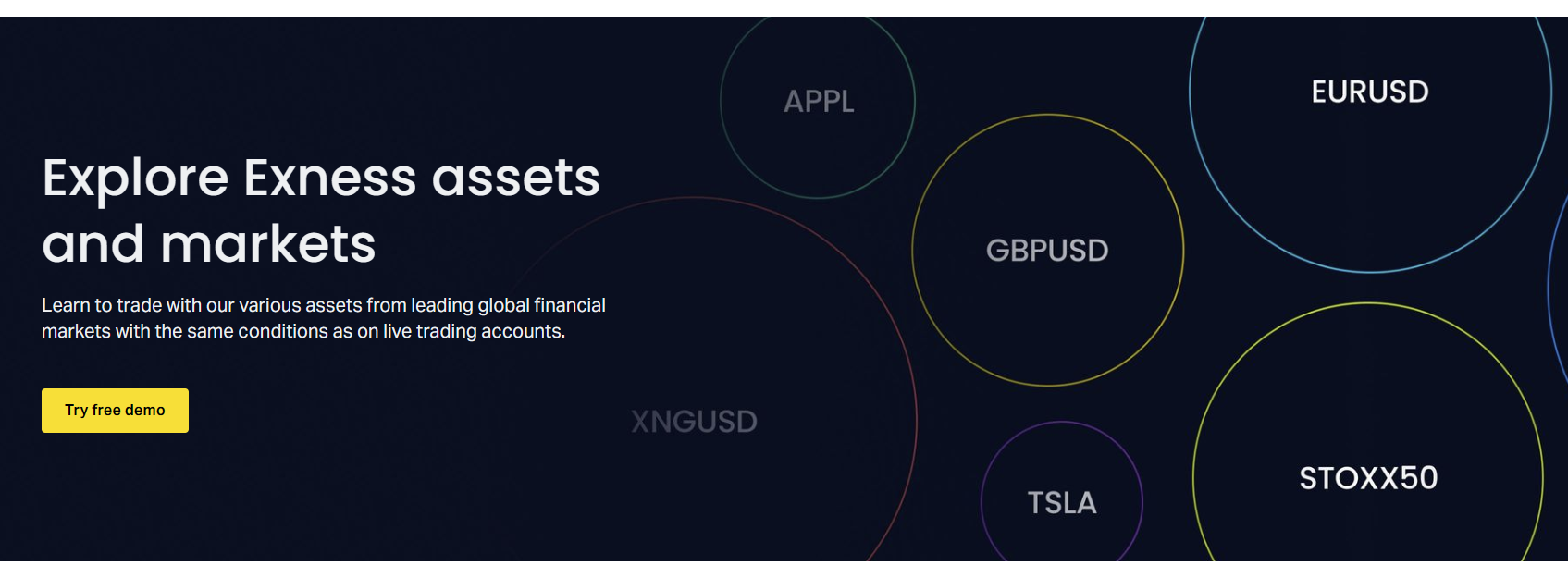
The following list summarizes the practical benefits of each account type for a trader evaluating where to start:
- Standard Cent: micro risk, real psychology, no commission, ideal for first live account
- Standard: commission-free, low minimum deposit, suits swing and position traders
- Raw Spread: tightest spreads, fixed commission, best for scalpers and EAs
- Zero: zero spreads on top 30 instruments, commission-based, for high-volume traders
- Pro: low spreads, no commission, balance of simplicity and cost for discretionary traders
How to Open an Exness Account and Access Promotions
Opening an Exness account is a fully digital process that typically takes under five minutes. The flow begins on the Exness website or mobile app, where the user selects a registration method (email, Google, Apple, or phone number), sets a password, and chooses a server region. After email or SMS verification, the Personal Area opens. From there, the trader can create a live or demo account, select the account type, base currency, and leverage. Identity verification (KYC) is required before withdrawals: a government-issued ID and proof of address (utility bill or bank statement) uploaded through the secure portal. Most verifications complete within minutes during business hours.
Once the account is verified and funded, any active regional promotion or partner rebate will be visible in the Personal Area under the Promotions or Partner sections. If a partner link was used, the rebate arrangement is typically confirmed via email or the partner's dashboard. Exness does not require a promo code for standard account opening; the partner code is embedded in the referral link. Traders who register directly without a partner can later add a partner code through the Personal Area settings, subject to Exness partner program rules. This means a trader can open an account, test conditions on a demo or small live deposit, and then attach a rebate partner once satisfied — a flexibility not possible with a traditional welcome bonus that must be claimed at first deposit.
Comparing Exness with Brokers Offering Deposit Bonuses
Brokers that advertise large welcome bonuses — 50%, 100%, or even 200% deposit matches — often offset the cost through less favorable trading conditions. A broker offering a 100% bonus up to $1,000 may charge spreads 0.5–1.0 pips wider than Exness on major pairs, or impose commissions of $7–$10 per lot round trip on a 'bonus account' versus $3.5 on Exness Raw Spread. Over 100 lots, that spread difference alone costs $500–$1,000, erasing the bonus value. The bonus also locks the trader into high-volume trading to unlock withdrawal, potentially forcing poor risk management. Exness's model avoids this conflict: the broker profits when clients trade more because conditions are good, not because they are trapped by bonus terms.
Regulatory jurisdiction is another differentiator. Brokers offering aggressive bonuses are often licensed in offshore jurisdictions with lighter oversight. Exness holds licenses from the FCA (UK), CySEC (Cyprus), FSCA (South Africa), FSA (Seychelles), and CBCS (Curaçao), among others. These regulators impose capital requirements, segregation of client funds, negative balance protection, and regular audits. A welcome bonus from an offshore broker may come with counterparty risk that no promotional amount can justify. Traders should always verify the regulator's public register and confirm the entity they are contracting with matches the licensed entity.
Scroll horizontally to see all columns
| Metric | Typical Bonus Broker | Exness Raw Spread |
|---|---|---|
| Welcome Bonus | 100% up to $1,000 | None |
| EUR/USD Spread | 1.2–1.5 pips | 0.0–0.1 pips |
| Commission per Lot | $7–$10 round trip | $7 round trip |
| Volume to Withdraw Bonus | 50–100 lots | N/A |
| Cost per 100 Lots | $1,200–$2,500 | $700–$800 |
| Regulator Tier | Often Offshore | FCA, CySEC, FSCA |
The table illustrates that the effective cost of trading at a bonus broker often exceeds the bonus amount within a few months of active trading. The volume requirement to unlock the bonus forces trading that generates additional spread and commission revenue for the broker. Exness's transparent pricing means the trader keeps the savings on every trade, with no strings attached.
A bonus that requires 50 lots to unlock on a 1.5 pip spread costs $750 in spread alone — 75% of a $1,000 bonus — before the trader sees a cent of withdrawable profit.
Risk Considerations When Evaluating Bonus Offers
Welcome bonuses can distort risk management in subtle ways. The volume requirement creates pressure to trade more frequently or with larger positions than a trader's strategy dictates. This is especially dangerous for beginners who have not yet developed consistent risk controls. The bonus funds themselves are often non-withdrawable equity that acts as a margin buffer, allowing larger positions than the real deposit would support. If the market moves against the trader, the bonus evaporates first, but the real deposit is still exposed to the oversized position. Some bonus terms also restrict hedging, which prevents a trader from managing risk on correlated positions.
Exness provides negative balance protection on all retail accounts, meaning a trader cannot lose more than their deposited funds. This protection applies regardless of account type or promotional status. The broker also offers stop-out levels that are clearly defined (0% for Standard, 20% for Professional accounts) and a margin call notification system. These risk controls are permanent features, not conditional on meeting bonus terms. For a new trader, the certainty of known risk parameters is more valuable than a conditional bonus that may encourage behavior contrary to sound risk management.
- Volume targets incentivize overtrading and deviation from strategy
- Bonus equity masks true leverage and risk exposure
- Withdrawal restrictions prevent accessing profits when needed
- Strategy bans (hedging, scalping, EAs) limit risk management tools
- Time limits force rushed decisions in unfavorable market conditions
- Negative balance protection at Exness is unconditional
Exness Premier Program for Active Traders
For traders who generate significant volume, Exness offers the Premier Program — a tiered loyalty scheme that provides tangible benefits without the restrictive terms of a welcome bonus. Qualification is based on monthly trading volume and account equity. Tiers typically include Silver, Gold, Platinum, and Diamond, each unlocking progressively better perks: lower commissions on Raw Spread and Zero accounts, priority withdrawal processing, dedicated account managers, exclusive market analysis, and invitations to trading events. The program rewards sustained activity rather than a single deposit, aligning the broker's incentives with the trader's long-term success.
Premier benefits are applied automatically when thresholds are met and persist as long as the trader maintains the required activity. There are no volume lock-ins, no forfeiture clauses, and no restrictions on trading style. A trader who qualifies for Gold tier enjoys a $1 per lot commission reduction on Raw Spread accounts — effectively a permanent rebate that compounds on every trade. This structure is fundamentally different from a welcome bonus: it rewards what the trader already does (trade) rather than demanding behavior changes to unlock a one-time payout.

The table below outlines typical Premier tier thresholds and benefits. Exact criteria may vary by region and are published in the Personal Area for eligible clients.
Scroll horizontally to see all columns
| Tier | Monthly Volume | Min Equity | Commission Discount | Key Benefits |
|---|---|---|---|---|
| Silver | 50 lots | $2,000 | $0.5/lot | Priority support, faster withdrawals |
| Gold | 200 lots | $5,000 | $1.0/lot | Dedicated manager, exclusive webinars |
| Platinum | 500 lots | $15,000 | $1.5/lot | Custom conditions, event invitations |
| Diamond | 1,000 lots | $50,000 | $2.0/lot | VIP service, tailored solutions |
For a new trader, the Premier Program represents a long-term value proposition: as skills and capital grow, the broker automatically reduces costs. This is a more sustainable model than a welcome bonus that expires after the first deposit cycle.
Regional Promotions and Partner-Specific Offers
While Exness does not run a global welcome bonus, regional marketing teams occasionally launch deposit bonus campaigns in specific countries. These are typically announced through local social media channels, email newsletters, or the Promotions section of the Personal Area for clients in those regions. Examples from past campaigns include a 50% deposit bonus up to a capped amount in certain Asian or African markets, or a no-deposit bonus for completing verification in a specific timeframe. These offers are legal only where the local regulator permits them and are withdrawn when regulations change.
Partner-specific offers are another channel. An Introducing Broker with a large client base may negotiate a custom deposit bonus for their referrals, funded from the IB's commission revenue. These arrangements are private between the IB and their clients; Exness facilitates the tracking but does not guarantee the terms. Traders considering a partner offer should request the full terms in writing, confirm the IB's active status in the Exness Partner Portal, and understand that the bonus is the IB's liability, not Exness's. The safest approach is to treat any bonus as a secondary consideration and prioritize the broker's core trading conditions, regulation, and operational reliability.
Practical Alternatives to a Welcome Bonus at Exness
Traders seeking extra starting capital have several practical alternatives at Exness that avoid bonus pitfalls. The Standard Cent account allows a $10 deposit to function like $1,000 in nominal trading power, letting a beginner place real trades with real psychology at cent-level risk. The demo account offers unlimited virtual funds with live market data, ideal for strategy testing without any deposit. For those ready to commit capital, the Raw Spread account's low commissions mean the effective 'bonus' is the money saved on every trade compared to a bonus broker's wider spreads. Partner rebates, as discussed, provide an ongoing discount. Finally, the Exness Trading Calculator helps traders plan position sizes, margin requirements, and swap costs precisely, reducing costly mistakes that a bonus cannot fix.
Another alternative is the Exness Social Trading (copy trading) platform, where new traders can allocate a small portion of capital to copy verified strategy providers. This is not a bonus, but it allows participation in markets while learning. The copier pays a performance fee only on profitable copied trades, aligning incentives. Exness also offers a free VPS for accounts with $500 equity and 5 lots monthly volume — a tangible operational benefit that reduces latency and enables 24/7 EA operation, worth far more than a one-time cash bonus for algorithmic traders.
The best bonus is a cost structure that lets you keep more of every profitable trade. Exness delivers this through raw spreads, low commissions, and no hidden conditions.
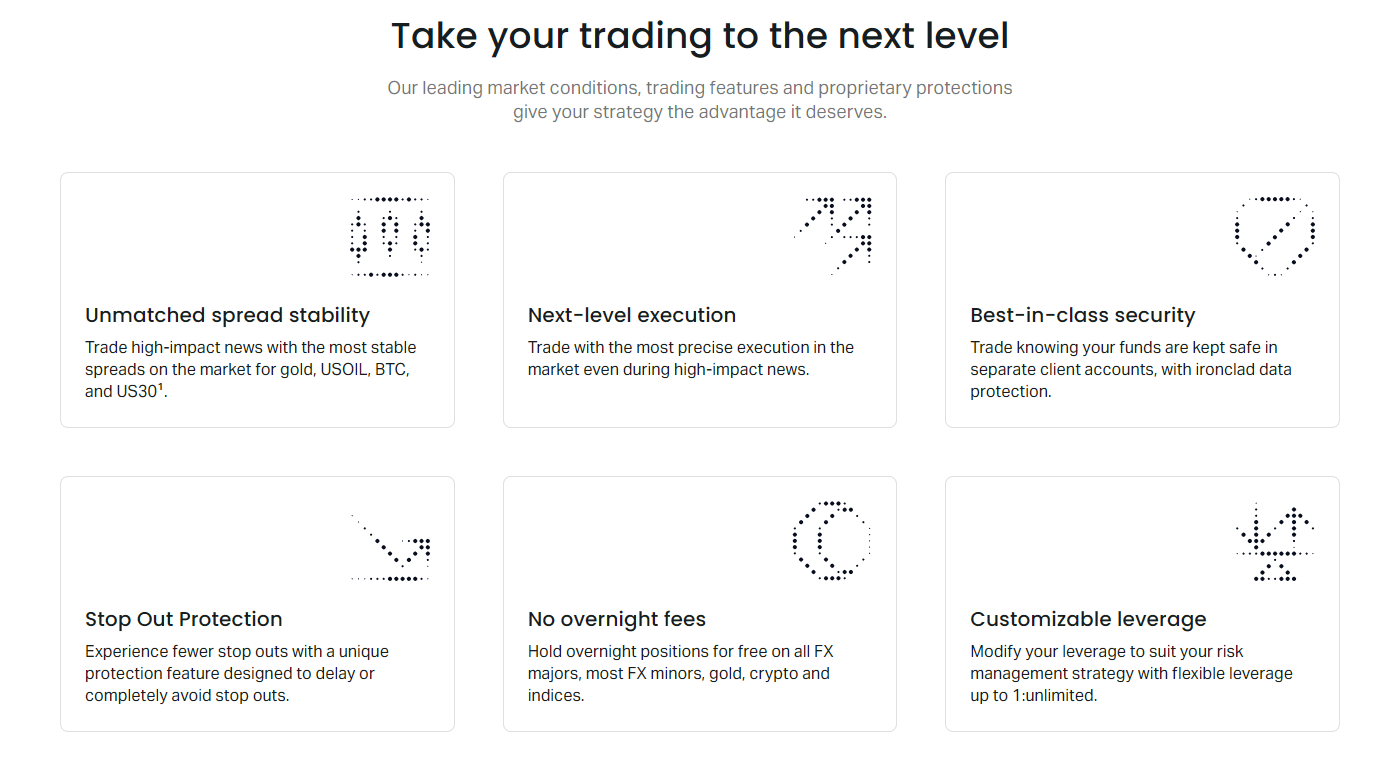
The following list summarizes the practical starting paths for a new Exness client who wants maximum value without bonus restrictions:
- Open Standard Cent account with $10–$50 for live micro-trading
- Use unlimited demo account to test strategies risk-free
- Register via reputable IB for ongoing rebate on all trades
- Target Premier Silver tier (50 lots/month) for permanent commission discount
- Utilize free VPS once equity and volume thresholds are met
- Leverage Trading Calculator for precise risk management
Key Takeaways About Exness Welcome Bonus Offers
Exness does not offer a permanent global welcome bonus, and this is a feature, not a limitation. The broker's model — transparent raw spreads, low commissions, instant withdrawals, multi-tier regulation, and a loyalty program that rewards volume — delivers compounding value that a one-time bonus cannot match. Traders who prioritize a deposit bonus should scrutinize the attached conditions: volume requirements, spread markups, leverage caps, withdrawal locks, and regulatory status. In most cases, the effective cost of meeting bonus terms exceeds the bonus amount within a few months of active trading. Exness provides superior alternatives: cent accounts for low-risk live experience, partner rebates for ongoing cost reduction, the Premier Program for scaling benefits, and a regulatory framework that protects client funds unconditionally. The rational choice for a serious trader is the broker whose incentives align with long-term success, not the one offering the largest headline promotion.
Frequently Asked Questions
Does Exness have a welcome bonus for new clients?
Exness does not maintain a permanent global welcome bonus. Regional or partner-specific deposit bonuses may appear temporarily; check the Promotions page in your Personal Area for current offers.
Can I get a no-deposit bonus at Exness?
Exness does not offer a standard no-deposit bonus. The Standard Cent account with a $1 minimum deposit provides a low-risk live trading alternative.
How do Exness rebates work compared to a welcome bonus?
Rebates are ongoing cashback per lot traded, arranged through Introducing Brokers. They reduce costs on every trade indefinitely, unlike a one-time bonus with volume conditions.
What is the Exness Premier Program?
A tiered loyalty program rewarding monthly trading volume with commission discounts, priority support, dedicated managers, and exclusive benefits. No bonus-style restrictions apply.
Are welcome bonuses from other brokers better than Exness conditions?
Often not. Bonus brokers typically widen spreads or increase commissions to recoup the bonus cost. Over time, Exness raw spreads and low commissions usually cost less.
Can I claim a bonus after opening an Exness account?
Only if a regional or partner promotion is active at the time of deposit. Bonuses cannot be applied retroactively. Monitor the Promotions page for new offers.
Does Exness offer a deposit bonus in my country?
Availability varies by jurisdiction due to local regulations. Log into your Personal Area and check the Promotions section for offers specific to your region.