

Forex Trading
Exness Rebate Program: How Cashback Works for Traders
Complete guide to Exness cashback, partner programs, and maximizing trading rebates.


Forex Analyst
Forex Analyst specializing in currency markets, market trends, technical and fundamental analysis, and providing clear insights to help traders make informed decisions.
Traders constantly seek ways to reduce transaction costs and improve net profitability. The Exness rebate program offers a structured cashback mechanism that returns a portion of spreads or commissions to active participants. Understanding how these rebates function, who qualifies, and how to maximize returns can make a measurable difference in long-term trading outcomes.
Contents
- What Is an Exness Rebate?
- How Exness Cashback Programs Work
- Types of Exness Partner Programs
- Introducing Broker Program
- Affiliate Program
- Rebate Calculation Methods
- Exness Rebate Rates by Account Type
- How to Join the Exness Partner Program as a Trader
- Tracking and Receiving Your Rebates
- Benefits of Exness Cashback for Active Traders
- Comparing Exness Rebates with Other Brokers
- Maximizing Your Exness Rebate Earnings
- Common Pitfalls in Rebate Partnerships
- Regulatory Considerations for Rebate Participants
- Exness Rebate Program and Trading Technology
- Final Assessment of Exness Rebate Program
Exness operates one of the more transparent rebate structures in the retail forex and CFD industry. Rather than offering opaque bonuses with restrictive withdrawal conditions, the broker provides cashback through its Introducing Broker (IB) and affiliate partnerships. Traders who register under a qualified partner receive automatic rebates credited to their trading accounts, typically on a daily or weekly basis depending on the arrangement.
This guide examines the mechanics of Exness rebates, the different partner tiers, how rebate rates vary across account types, and practical steps for enrollment. It also compares the program with industry alternatives and addresses common questions about eligibility, payment timing, and optimization strategies.
What Is an Exness Rebate?
An Exness rebate is a cashback payment returned to a trader based on the volume of executed trades. When a client opens an account through an approved Introducing Broker or affiliate link, the partner earns a commission from Exness for each lot traded. The partner then shares a portion of that commission with the trader as a rebate. This creates a three-party relationship: Exness provides the trading infrastructure, the partner brings clients, and the trader receives reduced effective trading costs.
Rebates are calculated per round-turn lot (opening and closing a position) and vary by instrument class and account type. Major forex pairs typically generate higher rebate rates than exotic pairs, metals, or cryptocurrencies due to differences in spread and commission structures. The cashback is real money credited to the trading balance, not a bonus with trading volume requirements. Traders can withdraw rebate funds at any time subject to standard withdrawal policies.
How Exness Cashback Programs Work
The cashback flow begins when a trader registers using a partner's unique referral link or provides the partner's IB code during account creation. Exness tracks all trading activity on that account and calculates the partner's commission based on the agreed rate schedule. The partner then distributes the agreed rebate percentage to the trader. Most reputable partners automate this process through the Exness Partner Personal Area, ensuring daily or weekly crediting without manual intervention.
Exness offers two primary partnership models: the Introducing Broker (IB) program and the Affiliate program. IBs typically work with individual traders or small groups, offering personalized support and higher rebate shares. Affiliates operate at scale, often running websites, signal services, or educational platforms that refer large volumes of clients. Both models feed into the same commission pool but differ in reporting tools, marketing resources, and minimum volume thresholds for tier upgrades.
- Trader registers via partner referral link or IB code
- Exness tracks trading volume and calculates partner commission
- Partner shares agreed percentage as rebate to trader
- Rebates credited automatically to trading account balance
- Funds available for trading or withdrawal without restrictions
The partner's commission rate depends on their tier within the Exness Partner Program. Higher tiers unlock better commission rates, which partners can pass on as higher rebates. Tier progression is based on monthly active clients and total traded volume. Partners at the top Premier tier receive the most favorable terms, enabling them to offer traders rebates up to 80-90% of the partner commission.
Types of Exness Partner Programs
Exness structures its partnership ecosystem into distinct programs tailored to different business models. Understanding these categories helps traders identify which type of partner may offer the most suitable rebate arrangement for their trading style and volume.
Introducing Broker Program
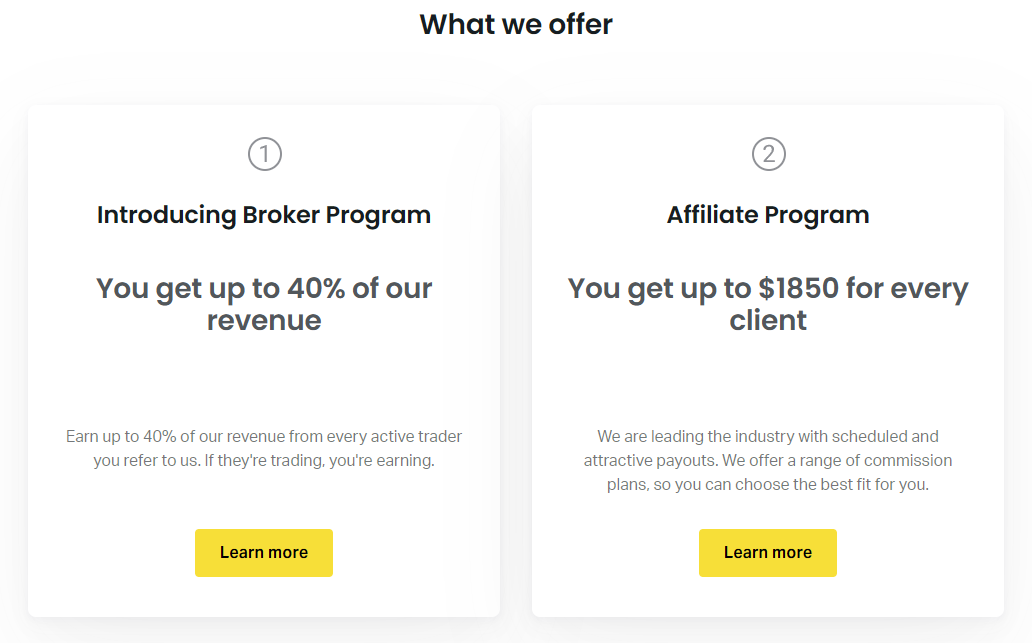
The Introducing Broker program suits partners who maintain direct relationships with traders. IBs often provide value-added services such as market analysis, trading education, account management assistance, and personalized support. Because IBs invest time in client retention, they typically offer higher rebate percentages — sometimes up to 90% of their commission — to keep traders active. IBs access a dedicated Partner Personal Area with real-time reporting on client activity, commissions earned, and rebate payouts.
Affiliate Program
The Affiliate program targets partners with digital reach — website owners, content creators, signal providers, and community managers. Affiliates earn commissions through CPA (Cost Per Acquisition) or revenue share models. Revenue share affiliates receive ongoing commissions for the lifetime of referred clients, making rebate sharing sustainable. Affiliates benefit from marketing materials, tracking links, and conversion optimization tools provided by Exness. Rebate rates from affiliates vary widely; some pass through 50-70% of revenue share, while others retain more to cover marketing costs.
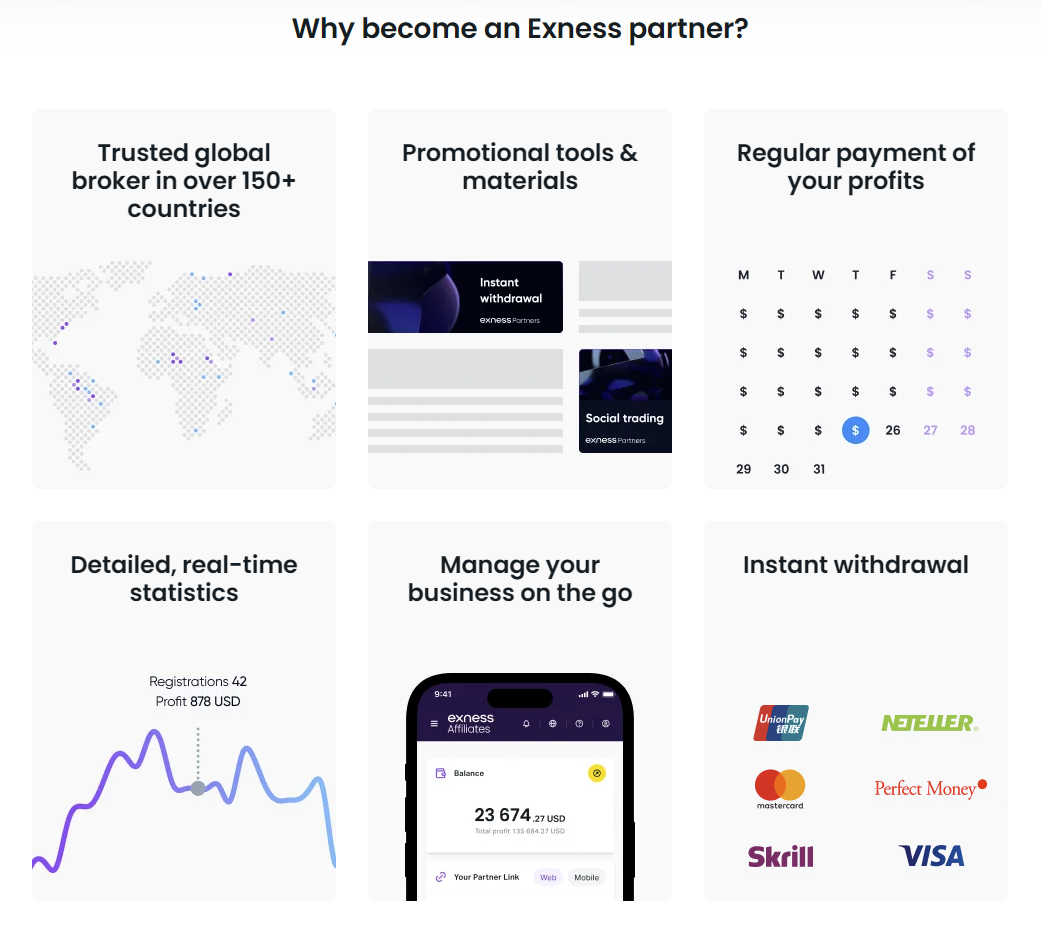
Both programs operate under the same regulatory framework and compliance standards. Partners must adhere to Exness marketing guidelines, avoid misleading claims, and ensure proper risk disclosure. Traders should verify a partner's status through the official Exness partner directory before committing to a rebate arrangement.
Rebate Calculation Methods
Exness calculates partner commissions — and by extension trader rebates — using two primary methods depending on the account type. For Standard and Standard Cent accounts, which operate on spread-only pricing with no separate commission, the partner commission is a percentage of the spread revenue generated by the client's trades. For Raw Spread, Zero, and Pro accounts, which charge a fixed commission per lot, the partner commission is a percentage of that commission fee.
Spread-based calculation: Partner commission = (Spread in pips × Pip value × Lots traded) × Partner commission rate. Commission-based calculation: Partner commission = (Commission per lot × Lots traded) × Partner commission rate. The trader's rebate = Partner commission × Rebate share percentage. This transparency allows traders to estimate expected cashback before entering a partnership.
Scroll horizontally to see all columns
| Account Type | Pricing Model | Commission Basis | Typical Rebate Range |
|---|---|---|---|
| Standard | Spread only | Spread revenue share | 0.2 - 0.6 pips per lot |
| Standard Cent | Spread only | Spread revenue share | 0.2 - 0.5 pips per lot |
| Raw Spread | Spread + commission | Commission fee share | $1.5 - $4 per lot |
| Zero | Spread + commission | Commission fee share | $1.5 - $4 per lot |
| Pro | Spread + commission | Commission fee share | $1 - $3 per lot |
Actual rebate amounts depend on the partner's tier, the negotiated share percentage, and the specific instrument traded. Major pairs like EURUSD and GBPUSD generate higher absolute rebates due to tighter spreads and higher volume. Exotic pairs and cryptocurrencies may have wider spreads but lower partner commission rates, resulting in different effective cashback per lot.
Exness Rebate Rates by Account Type
Rebate rates vary significantly across Exness account types because each account has a distinct cost structure. Traders should match their account choice to their strategy and then seek the highest available rebate for that account. The table below illustrates typical rebate ranges offered by top-tier partners for each account type under normal market conditions.
Scroll horizontally to see all columns
| Account | Forex Majors | Gold (XAUUSD) | Indices | Crypto |
|---|---|---|---|---|
| Standard | 0.4-0.6 pips | 0.5-0.8 pips | 0.3-0.5 pips | 0.2-0.4 pips |
| Raw Spread | $3-4 per lot | $3-4 per lot | $2-3 per lot | $1-2 per lot |
| Zero | $3-4 per lot | $3-4 per lot | $2-3 per lot | $1-2 per lot |
| Pro | $2-3 per lot | $2-3 per lot | $1.5-2.5 per lot | $1-2 per lot |
These figures represent the cashback returned to the trader per round-turn lot. A trader executing 100 lots per month on a Raw Spread account with a $3.50 rebate would receive $350 monthly. Over a year, that equals $4,200 in cost reduction — equivalent to improving the risk-reward ratio on every trade. High-frequency traders and scalpers benefit disproportionately because rebate accumulation scales linearly with volume.
How to Join the Exness Partner Program as a Trader
Traders do not join the partner program directly; they register under an existing partner. The process is straightforward but requires attention to detail to ensure proper tracking and rebate eligibility. Choosing a reputable partner with transparent terms is as important as the rebate rate itself.
- Research and compare partners using independent reviews and forums
- Verify partner status on the official Exness partner directory
- Confirm rebate percentage, payment frequency, and minimum thresholds
- Register using the partner's unique referral link or provide IB code
- Complete standard Exness KYC verification
- Confirm rebate tracking appears in partner portal or trader dashboard
- Monitor first few rebate payments for accuracy
Some partners require a minimum monthly volume (e.g., 10 lots) before rebates activate. Others pay from the first lot. Clarify these terms in writing before depositing funds. Reputable partners provide a written agreement or clear terms page specifying rebate rate, payment schedule (daily, weekly, monthly), and any conditions.
If a trader already has an Exness account not linked to a partner, they can usually request a transfer to a partner's IB code through Exness support. This process may require the partner's consent and can take several business days. Once transferred, future trades generate rebates; past trades do not.
Tracking and Receiving Your Rebates
Transparency in rebate tracking separates professional partners from opportunistic ones. Top-tier partners provide traders with access to a sub-partner portal or regular statements showing daily traded volume, commission generated, rebate calculated, and payment status. Exness credits partner commissions to the Partner Personal Area daily. Partners then distribute rebates according to their promised schedule — most commonly daily or weekly.
Traders should verify that rebates appear in their Exness trading account transaction history as 'Partner Commission' or 'IB Rebate' entries. These credits increase free margin and can be used for new positions or withdrawn. Any discrepancy between expected and received amounts should be raised with the partner first, then with Exness partner support if unresolved.
- Check trading account history for 'Partner Commission' entries
- Compare credited amounts with partner portal statements
- Confirm payment frequency matches agreed terms
- Ensure no hidden fees or deductions apply
- Withdraw or reinvest rebates per personal strategy
Reliable rebate tracking is the hallmark of a professional partnership. Traders should demand the same transparency from their IB that they expect from their broker.
Benefits of Exness Cashback for Active Traders
The primary benefit of Exness rebates is a direct reduction in effective trading costs. For a scalper paying 0.3 pips spread plus $3.50 commission per lot on Raw Spread EURUSD, a $3.50 rebate eliminates the commission entirely. The net cost becomes the raw spread only. For swing traders holding positions days or weeks, rebates offset swap charges and widen the breakeven threshold. Over hundreds of trades, this cost reduction compounds into meaningful profit preservation.
Beyond cost reduction, rebate partnerships often include value-added services. Many IBs provide market commentary, technical analysis, risk management tools, and priority support channels. Some offer educational resources, trading calculators, and custom indicators. These services enhance the trading experience beyond the financial rebate. Traders should evaluate the total package — rebate rate plus support quality — when selecting a partner.
Comparing Exness Rebates with Other Brokers
Exness rebate structures compare favorably with major competitors, particularly for Raw Spread and Zero account holders. The combination of low base commissions, high partner commission rates, and flexible rebate sharing creates one of the industry's most trader-friendly cashback environments. However, differences in account types, instrument coverage, and partner ecosystems mean traders should compare holistically.
Scroll horizontally to see all columns
| Broker | Raw Spread Commission | Typical Partner Rate | Max Trader Rebate | Payment Frequency |
|---|---|---|---|---|
| Exness | $3.50 per lot | Up to 60% of spread/commission | $3-4 per lot | Daily/Weekly |
| IC Markets | $3.50 per lot | Up to 50% of commission | $2-3 per lot | Weekly/Monthly |
| Pepperstone | $3.50 per lot | Up to 40% of commission | $1.5-2.5 per lot | Monthly |
| FP Markets | $3.00 per lot | Up to 50% of commission | $1.5-2.5 per lot | Weekly |
Exness stands out for daily rebate crediting at top-tier partners, whereas many competitors settle monthly. Daily crediting improves cash flow and allows immediate compounding. The broker's unlimited leverage offering (for eligible accounts) and instant withdrawal capability further enhance the practical value of rebates. Traders should verify current rates directly, as partner commission structures can change with market conditions and regulatory updates.
Maximizing Your Exness Rebate Earnings
Optimizing rebate income requires aligning account choice, trading strategy, and partner selection. Traders on Raw Spread or Zero accounts earn higher per-lot rebates than Standard account users because commission-based calculations yield larger absolute returns. However, Standard accounts may suit lower-volume traders who prefer spread-only simplicity. The optimal choice depends on monthly volume, average position size, and instrument preference.
- Choose Raw Spread or Zero accounts for highest per-lot cashback
- Consolidate all trading under one partner to reach volume tiers
- Negotiate rebate share — top partners offer 80-90% of commission
- Trade during peak liquidity hours for tighter spreads and higher volume
- Use Exness VPS for latency-sensitive strategies that increase trade frequency
- Monitor partner tier upgrades that may improve your rebate rate
Traders managing multiple strategies across different accounts should ensure all accounts are linked to the same partner. This aggregates volume for the partner's tier progression, potentially unlocking higher commission rates that benefit all linked accounts. Some partners offer volume-based rebate escalators — for example, 70% share for 0-100 lots, 80% for 100-500 lots, 90% above 500 lots. Understanding these thresholds helps traders plan monthly volume targets.
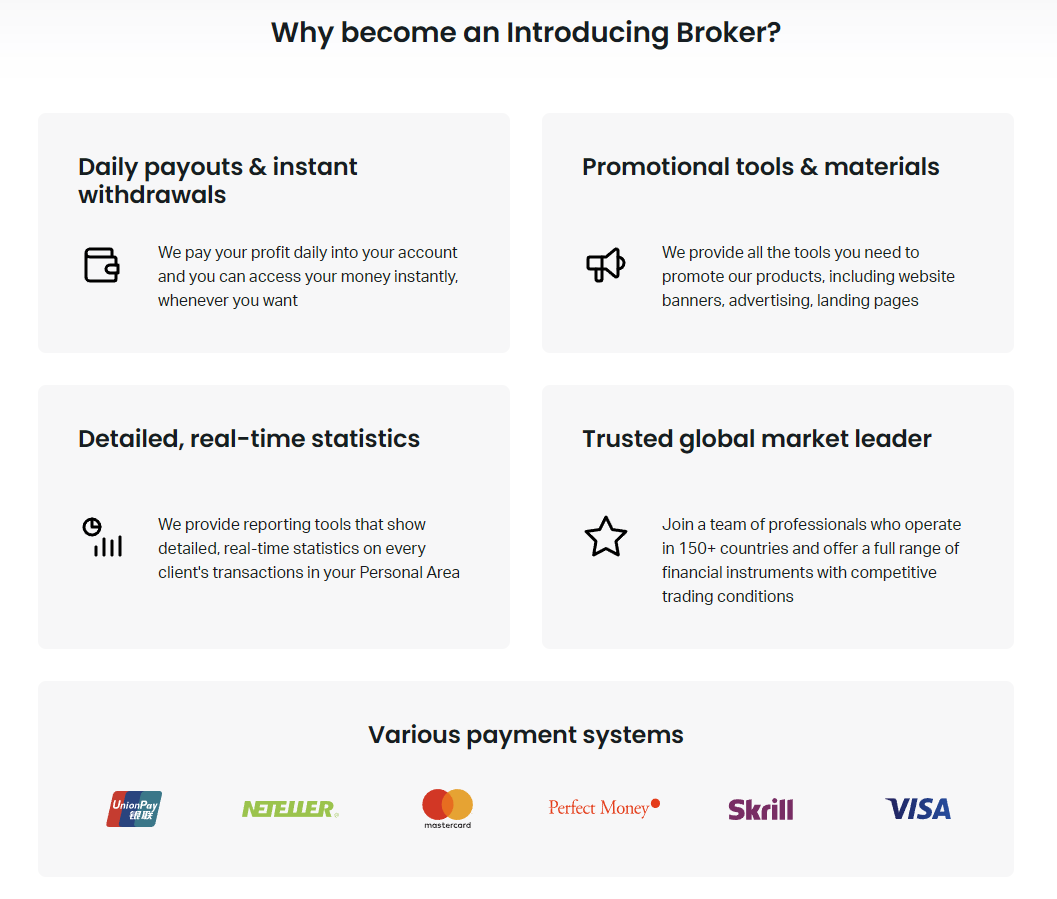
Advanced traders can also explore becoming an IB themselves. By referring other traders, they earn commissions on their own trading plus overrides on referred clients' volume. This dual-income model suits traders with networks, signal followers, or educational audiences. Exness provides multi-level IB structures allowing sub-IB recruitment, though regulatory restrictions apply in certain jurisdictions.
Common Pitfalls in Rebate Partnerships
Not all rebate arrangements deliver as promised. Traders encounter several recurring issues that erode expected returns. Awareness of these pitfalls helps in partner selection and ongoing monitoring.
- Partners advertising inflated rates but applying hidden deductions
- Delayed or irregular payments despite daily crediting promises
- Minimum volume thresholds not disclosed upfront
- Rebates paid as non-withdrawable bonus credits instead of cash
- Partner becomes unresponsive or disappears (orphaned accounts)
- Account transfer requests denied or excessively delayed
Due diligence mitigates most risks. Verify the partner's Exness Partner ID, check independent reviews on forums like Forex Peace Army or Trustpilot, and test with a small deposit before committing significant capital. A legitimate partner will provide clear terms, responsive communication, and verifiable payment history. Exness also maintains a partner rating system visible in the Partner Personal Area.
The highest advertised rebate rate is meaningless if the partner fails to pay. Reliability and transparency outweigh a few extra cents per lot.
Regulatory Considerations for Rebate Participants
Rebate programs operate within the regulatory framework governing Exness entities. Exness holds licenses from multiple authorities including CySEC (Cyprus), FCA (UK), FSCA (South Africa), and FSA (Seychelles). Each jurisdiction imposes specific rules on partner compensation, client incentives, and marketing practices. Traders should confirm that their partner complies with the regulations applicable to their country of residence.
In some regions, regulators restrict or prohibit cashback incentives to retail clients. For example, ESMA regulations in the EU limit leverage and ban certain promotional schemes. Exness adjusts its partner program terms per jurisdiction. Traders in restricted regions may find rebate availability limited or structured differently. Always verify eligibility based on your legal residence, not just citizenship.
Exness Rebate Program and Trading Technology
The effectiveness of a rebate program depends partly on the trading technology that executes the volume. Exness provides MetaTrader 4, MetaTrader 5, a proprietary Web Terminal, and mobile apps — all supporting the full range of account types eligible for rebates. Execution speed, slippage, and uptime directly affect traded volume and therefore rebate accumulation. The broker's investment in low-latency infrastructure and VPS hosting benefits high-frequency traders who rely on volume for meaningful cashback.
Traders using Expert Advisors (EAs) or algorithmic strategies should confirm that their partner's rebate tracking captures automated trades correctly. Most do, as Exness reports all settled transactions regardless of entry method. However, some partners may exclude certain strategies (e.g., latency arbitrage, hedge arbitrage) from rebate eligibility per their terms. Clarify strategy restrictions before deploying automated systems.
Technology reliability is a silent multiplier on rebate earnings. Downtime or execution delays during high-volatility events cost both trading profit and rebate volume.
Frequently Asked Questions
How do I know if my Exness account is linked to a rebate partner?
Check your Exness Personal Area under 'Partner' or 'IB' section. If linked, you will see the partner's ID and rebate transactions labeled as 'Partner Commission' in your account history.
Can I change my rebate partner after registering?
Yes, you can request an account transfer to a new partner through Exness support. The process requires the new partner's consent and typically completes within 3-5 business days. Past trades do not generate rebates for the new partner.
Are Exness rebates taxable income?
Tax treatment depends on your country of residence. In many jurisdictions, trading rebates are considered taxable income or a reduction in trading expenses. Consult a local tax advisor for guidance specific to your situation.
Do rebates apply to swap charges or only spreads and commissions?
Rebates are calculated on spread revenue or commission fees from opened and closed positions. Swap charges (overnight financing) are generally not included in rebate calculations unless specifically agreed with the partner.
What is the minimum trading volume to receive rebates?
This varies by partner. Some pay from the first lot (0.01 lots). Others set monthly minimums such as 10 or 50 lots. Always confirm the partner's specific terms before depositing.
Can I receive rebates on a demo account?
No. Rebates are only paid on live trading accounts with real funds. Demo accounts do not generate partner commissions.
How quickly are rebates credited to my trading account?
Top-tier partners credit rebates daily, usually within 24 hours of trade settlement. Some partners pay weekly. Monthly payments are less common but exist. Verify the schedule in your partner agreement.
Does using a rebate partner affect my trading conditions?
No. Your spreads, commissions, leverage, execution, and all trading conditions remain identical whether you trade under a partner or directly. The rebate comes from the partner's commission, not from worsened conditions.
Final Assessment of Exness Rebate Program
The Exness rebate program stands out for its structural transparency, daily payment capability at top partners, and alignment with the broker's low-cost account offerings. Traders who combine Raw Spread or Zero accounts with a Premier-tier partner offering 80-90% commission sharing can reduce effective trading costs to near-raw spreads. This advantage compounds across thousands of lots, making the program particularly valuable for high-volume traders, scalpers, and algorithmic strategies. The key to success lies in partner selection — prioritizing reliability, transparent reporting, and responsive support over marginally higher advertised rates. With proper due diligence, Exness rebates represent a legitimate, sustainable method to improve net trading performance without altering strategy or accepting restrictive bonus terms.