
Forex Broker Regulation
Exness Regulation: Licenses, Safety, and Compliance Overview
Understand Exness broker regulation, licensing authorities, and what it means for trader safety.

Forex Analyst
Forex Analyst specializing in currency markets, market trends, technical and fundamental analysis, and providing clear insights to help traders make informed decisions.
Exness Regulation represents a multi-jurisdictional framework designed to protect traders through licensed operations, segregated client funds, and adherence to international financial standards. The broker operates through several legal entities, each authorized by respected regulatory bodies that enforce capital requirements, audit obligations, and transparent reporting. This structure allows Exness to serve clients worldwide while maintaining compliance with local laws and investor protection measures.
Contents
- Exness Regulatory Framework Across Jurisdictions
- Key Regulatory Licenses Held by Exness
- Exness SC Ltd and Seychelles Regulation
- Exness KE Limited and Kenyan Regulation
- Client Fund Protection and Segregation
- Negative Balance Protection and Risk Management
- Compliance Standards and Audit Practices
- How to Verify Exness Regulation Status
- Regulatory Differences Across Account Types
- Exness Regulation Compared to Industry Standards
- Key Takeaways on Exness Regulatory Standing
Traders evaluating whether Exness is a regulated broker should examine the specific licenses held by each entity, the scope of protection offered, and the regulatory reputation of the issuing authorities. The broker's primary entities include Exness SC Ltd registered in Seychelles and Exness KE Limited registered in Kenya, among others. Each entity holds distinct licenses that determine the regulatory perimeter for clients onboarded under that jurisdiction.
Regulatory oversight extends beyond license possession. It encompasses ongoing supervision, mandatory capital adequacy, client fund segregation, negative balance protection, and dispute resolution mechanisms. Exness publishes audit reports and financial statements, demonstrating transparency that exceeds minimum requirements in several jurisdictions. This commitment to openness helps traders assess the broker's financial health and operational integrity.
Exness Regulatory Framework Across Jurisdictions
The Exness regulatory framework operates through a network of licensed entities, each tailored to the regulatory environment of its target markets. This multi-entity approach allows the broker to offer consistent trading conditions while respecting local regulatory boundaries. Clients are onboarded under the entity that corresponds to their residence, ensuring they receive the protections mandated by that jurisdiction's regulator.
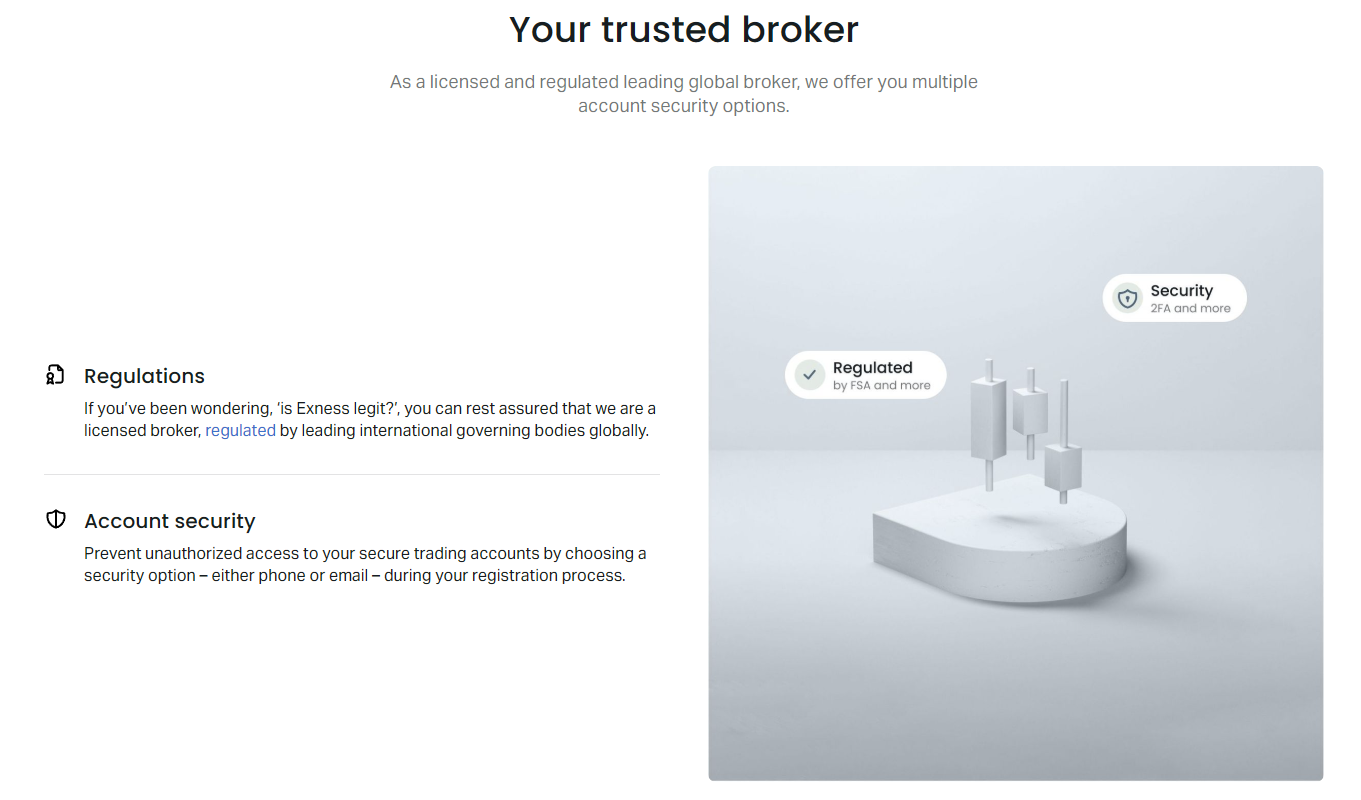
Major regulatory authorities overseeing Exness entities include the Financial Services Authority (FSA) in Seychelles, the Capital Markets Authority (CMA) in Kenya, the Financial Sector Conduct Authority (FSCA) in South Africa, and the Cyprus Securities and Exchange Commission (CySEC) for European operations. Each regulator imposes distinct requirements for capital reserves, client fund handling, leverage limits, and reporting standards.
- FSA Seychelles: Regulates Exness SC Ltd with focus on international client onboarding
- CMA Kenya: Oversees Exness KE Limited for East African market operations
- FSCA South Africa: Authorizes Exness ZA (Pty) Ltd for South African residents
- CySEC Cyprus: Governs Exness EU operations under MiFID II framework
- FCA UK: Previous authorization for Exness UK Ltd (license surrendered in 2022)
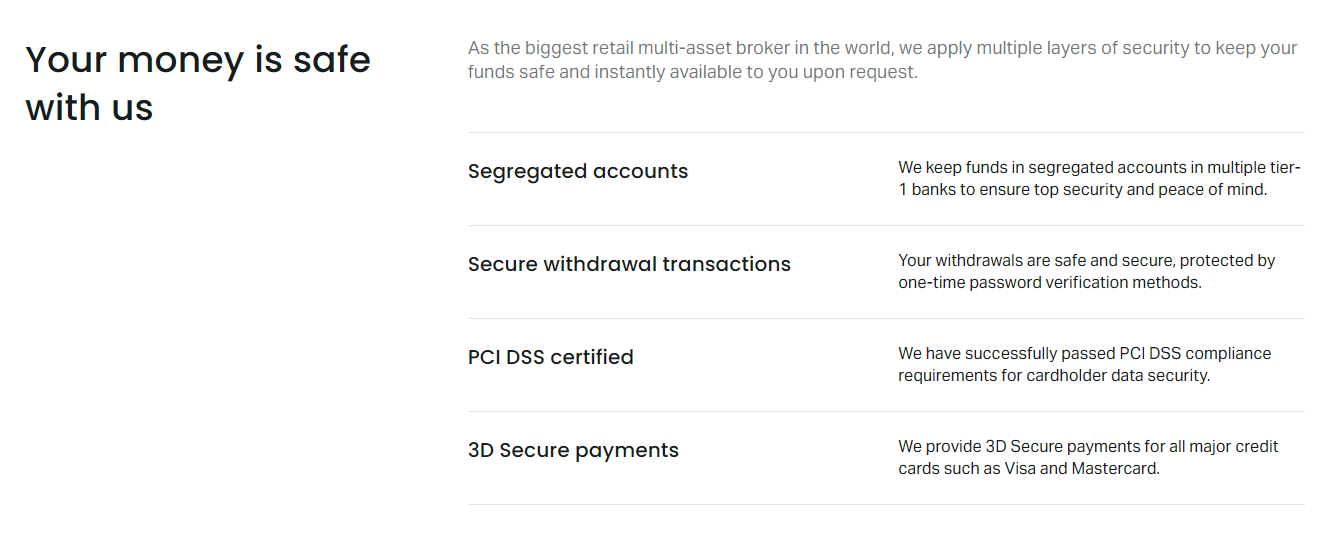
The multi-jurisdictional model means regulatory protections vary by entity. European clients benefit from MiFID II investor compensation schemes up to €20,000, while Seychelles-regulated clients rely on the broker's internal protection policies and the FSA's regulatory framework. Kenyan clients receive protections under the Capital Markets Act, including access to the Investor Compensation Fund. Understanding which entity holds your account determines the specific regulatory safeguards applicable to your trading.
Key Regulatory Licenses Held by Exness
Exness holds multiple licenses across its entity structure, each authorizing specific financial services. The licenses define permissible activities such as forex brokerage, CFD execution, portfolio management, and investment advice. License numbers are publicly verifiable on regulator websites, allowing traders to confirm current authorization status independently.
Scroll horizontally to see all columns
| Entity | Regulator | License Number | Authorization Scope |
|---|---|---|---|
| Exness SC Ltd | FSA Seychelles | SD025 | Securities Dealer License |
| Exness KE Limited | CMA Kenya | 162 | Non-Dealing Online Forex Broker |
| Exness ZA (Pty) Ltd | FSCA South Africa | 51045 | Financial Services Provider |
| Exness (Cy) Ltd | CySEC Cyprus | 178/12 | CIF License under MiFID II |
| Exness VG Ltd | FSC BVI | SIBA/L/20/1133 | Investment Business License |
Each license carries ongoing obligations including minimum capital maintenance, regular financial audits, client money segregation, and regulatory reporting. The FSA Seychelles license SD025 requires Exness SC Ltd to maintain minimum net capital of $50,000 and submit audited financial statements annually. The CMA Kenya license 162 mandates client fund segregation in local banks and participation in the Investor Compensation Fund. CySEC license 178/12 imposes the strictest requirements including ICF membership, leverage caps for retail clients, and comprehensive transaction reporting.
Exness SC Ltd and Seychelles Regulation
Exness SC Ltd serves as the primary entity for international clients outside regulated regions like the EU, UK, Kenya, and South Africa. Registered in Seychelles under company number 8423606-1, the entity holds Securities Dealer License SD025 issued by the Financial Services Authority. The FSA Seychelles operates under the Securities Act 2007, which establishes licensing, conduct of business, and investor protection requirements for securities dealers.
The Seychelles regulatory framework requires licensed dealers to maintain segregated client accounts, implement anti-money laundering procedures, and maintain professional indemnity insurance. Exness SC Ltd complies with these requirements while also adopting voluntary standards that exceed local minimums. The broker publishes quarterly financial reports and engages Big Four auditors for annual financial statement verification, practices not strictly mandated by the FSA but aligned with global best practices.
Clients onboarded under Exness SC Ltd should understand that Seychelles regulation does not provide access to investor compensation schemes equivalent to those in the EU or UK. However, the broker's voluntary adoption of negative balance protection, fund segregation at top-tier banks, and regular external audits provides substantial practical protection. The FSA maintains a public register where license SD025 can be verified, confirming the entity's good standing and authorized activities.
Exness KE Limited and Kenyan Regulation
Exness KE Limited operates under the Capital Markets Authority of Kenya, holding license number 162 as a Non-Dealing Online Forex Broker. This license was granted under the Capital Markets (Online Foreign Exchange Trading) Regulations 2017, which established a dedicated regulatory framework for online forex brokers serving Kenyan residents. The CMA framework represents one of Africa's most comprehensive regulatory regimes for retail forex.
Kenyan regulation imposes specific requirements including minimum core capital of KES 50 million, client fund segregation in Kenyan banks, mandatory membership in the Investor Compensation Fund, and leverage restrictions for retail clients. Exness KE Limited maintains a physical office in Nairobi, employs local compliance staff, and submits monthly transaction reports to the CMA. The regulator conducts periodic on-site inspections and requires immediate reporting of material changes to business operations.
For Kenyan traders, the CMA license provides access to the Investor Compensation Fund which covers up to KES 500,000 per client in case of broker insolvency. The regulator also operates a complaints resolution mechanism and maintains a public warning list of unauthorized entities. Exness KE Limited's license status can be verified on the CMA website, confirming its authorization to provide online forex trading services to Kenyan residents.
Client Fund Protection and Segregation
Fund segregation forms the cornerstone of Exness client protection across all regulatory jurisdictions. Client funds are held in separate accounts at reputable financial institutions, distinct from the broker's operational capital. This structural separation ensures that client money cannot be used for company expenses, hedging, or investment activities. In the event of broker insolvency, segregated funds remain identifiable and returnable to clients.
Exness partners with major global banks including Barclays, Standard Chartered, and other Tier-1 institutions for client fund custody. The specific banking partners vary by entity and jurisdiction, but all meet regulatory standards for creditworthiness and operational reliability. Regular reconciliations between internal records and bank statements are performed, with external auditors verifying the segregation arrangements annually.
Negative Balance Protection and Risk Management
Negative balance protection ensures that clients cannot lose more than their deposited funds, even during extreme market volatility. This protection applies automatically to all retail clients across all Exness entities, regardless of regulatory jurisdiction. The broker absorbs any deficit resulting from adverse price movements that exceed account equity, preventing clients from owing money to the broker.
The protection mechanism operates through real-time margin monitoring and automatic stop-out procedures. When account equity falls to the stop-out level (typically 0% for most account types), positions are closed automatically to prevent further losses. In rare cases of price gaps or extreme slippage where stop-out cannot execute at the intended level, Exness covers the negative balance. This commitment exceeds regulatory minimums in several jurisdictions where negative balance protection applies only to specific client categories.
Negative balance protection represents a critical safety net that transforms catastrophic market events from life-changing debts into manageable account drawdowns.
Compliance Standards and Audit Practices
Exness maintains compliance programs that address anti-money laundering (AML), counter-terrorism financing (CTF), know-your-customer (KYC), and sanctions screening across all entities. The compliance framework follows Financial Action Task Force (FATF) recommendations and implements jurisdiction-specific requirements. Automated transaction monitoring systems flag suspicious patterns for manual review by compliance teams.
Annual financial audits are conducted by Deloitte, one of the Big Four accounting firms. Audited financial statements are published on the Exness website, showing capital adequacy ratios, client fund balances, revenue, and profitability. The audit opinions have consistently been unqualified, indicating that financial statements present fairly the broker's financial position. This transparency level is uncommon among retail forex brokers and provides traders with verifiable evidence of financial stability.
Publication of Big Four audited financials sets a transparency benchmark that most competitors do not meet, allowing traders to verify capital adequacy independently.
How to Verify Exness Regulation Status
Traders can independently verify Exness regulatory status through official regulator registers. This verification confirms that licenses are current, entities are in good standing, and no enforcement actions are pending. The process requires checking each entity's license on its respective regulator's website using the license numbers published by Exness.
- Visit FSA Seychelles register and search for license SD025 or company Exness SC Ltd
- Check CMA Kenya license register for license number 162 under Exness KE Limited
- Access FSCA South Africa FSP register for license 51045 under Exness ZA (Pty) Ltd
- Search CySEC register for CIF license 178/12 under Exness (Cy) Ltd
- Verify FSC BVI register for license SIBA/L/20/1133 under Exness VG Ltd
Verification should include confirming the license status shows 'Active' or 'Licensed', checking the authorized activities match forex brokerage services, and reviewing any regulatory notices or warnings. Traders should also confirm that the entity name on the regulator register matches the entity on their Exness account contract. Discrepancies may indicate unauthorized representation or clone firms.
Regulatory Differences Across Account Types
Regulatory requirements create differences in trading conditions across account types and client classifications. Retail clients receive maximum protection including leverage limits, negative balance protection, and restricted product access. Professional clients may access higher leverage and broader product ranges but waive certain protections. The classification criteria and available protections vary by regulator.
Scroll horizontally to see all columns
| Protection | Retail Clients (EU/UK) | Retail Clients (Other) | Professional Clients |
|---|---|---|---|
| Max Leverage Forex | 1:30 | Up to 1:2000 | Up to 1:2000 |
| Max Leverage CFDs | 1:10 to 1:20 | Up to 1:200 | Up to 1:200 |
| Negative Balance Protection | Mandatory | Provided by Exness | Not guaranteed |
| Investor Compensation | Up to €20,000 (ICF) | Varies by jurisdiction | Not eligible |
| Close-out Margin | 50% margin level | 0% stop-out | 0% stop-out |
The table illustrates how regulatory jurisdiction fundamentally shapes the trading experience. EU/UK retail clients face strict leverage caps under ESMA measures but gain investor compensation coverage. Clients under Seychelles or BVI regulation access higher leverage but rely on the broker's voluntary protections. Professional classification removes leverage restrictions but also removes negative balance protection and compensation scheme eligibility in most jurisdictions.
Exness Regulation Compared to Industry Standards
When assessed against industry benchmarks, Exness regulatory standing ranks favorably among global forex brokers. The multi-license approach covering Tier-1 (CySEC, FSCA, CMA) and Tier-2 (FSA, FSC) regulators provides broader coverage than many competitors who operate under a single offshore license. The voluntary adoption of Big Four audits, public financial disclosure, and negative balance protection across all entities exceeds the practices of brokers meeting only minimum regulatory requirements.
Key differentiators include the broker's willingness to obtain licenses in stringent jurisdictions like Kenya and South Africa, which require local presence, capital deposits, and ongoing supervision. Many offshore brokers avoid such jurisdictions due to compliance costs. Exness also maintains a clean regulatory record with no major enforcement actions, fines, or license suspensions across its operational history. The 2022 surrender of the UK FCA license was a strategic business decision following Brexit, not a regulatory sanction.
Holding licenses in both stringent and accessible jurisdictions demonstrates a commitment to regulatory substance over regulatory arbitrage.
Key Takeaways on Exness Regulatory Standing
Exness Regulation provides a layered protection framework where the specific safeguards depend on the onboarding entity and client classification. The broker's multi-jurisdictional licensing strategy ensures that traders in regulated markets receive local protections including compensation schemes, while international clients benefit from voluntary standards that often exceed offshore regulatory minimums. Fund segregation at Tier-1 banks, negative balance protection, Big Four audits, and public financial disclosure create a transparency and safety profile that distinguishes Exness from brokers operating under single offshore licenses. Traders should verify their specific entity's license status, understand the protections applicable to their classification, and recognize that regulatory coverage varies significantly across the entity structure.
The broker's regulatory evolution reflects a deliberate strategy of expanding into well-regulated markets while maintaining operational flexibility for global clients. This approach balances compliance rigor with competitive trading conditions, though it creates complexity for traders who must understand which regulatory regime governs their account. Regular verification of license status and awareness of regulatory changes remain essential practices for all Exness clients.
For traders prioritizing regulatory safety, Exness offers a credible combination of recognized licenses, transparent financials, and client-centric protections. The presence of Tier-1 licenses in Cyprus, South Africa, and Kenya signals willingness to submit to rigorous oversight. The voluntary protections extended to all clients regardless of jurisdiction demonstrate a business philosophy that values long-term trust over short-term regulatory arbitrage. As with any financial service provider, ongoing due diligence and personal risk assessment remain the trader's responsibility.
Frequently Asked Questions
Is Exness a regulated broker in my country?
Exness regulation depends on your country of residence. The broker holds licenses from FSA Seychelles, CMA Kenya, FSCA South Africa, CySEC Cyprus, and FSC BVI. You will be onboarded under the entity licensed for your jurisdiction. Check the Exness website or contact support to confirm which entity serves your country.
What is the Exness FSP number for South Africa?
Exness ZA (Pty) Ltd holds FSCA license number 51045 as a Financial Services Provider in South Africa. This license can be verified on the FSCA Financial Service Providers register.
Does Exness offer negative balance protection?
Yes, Exness provides negative balance protection to all retail clients across all entities. This means you cannot lose more than your deposited funds, even during extreme market volatility. Professional clients may not receive this protection depending on jurisdiction.
Are client funds segregated at Exness?
Client funds are held in segregated accounts at Tier-1 banks separate from Exness operational funds. This segregation applies across all Exness entities and is verified through regular external audits by Deloitte.
What happens if Exness goes bankrupt?
Segregated client funds remain protected and returnable in insolvency. EU/UK retail clients have additional protection up to €20,000 through the Investor Compensation Fund. Kenyan clients are covered up to KES 500,000 by the CMA Investor Compensation Fund. Other jurisdictions rely on fund segregation and the broker's financial strength.
Can I verify Exness licenses myself?
Yes, all Exness licenses are publicly verifiable on regulator websites. Search for license SD025 (FSA Seychelles), 162 (CMA Kenya), 51045 (FSCA South Africa), 178/12 (CySEC Cyprus), or SIBA/L/20/1133 (FSC BVI) on the respective regulator registers.
Why did Exness surrender its UK FCA license?
Exness UK Ltd voluntarily surrendered its FCA license in 2022 following Brexit, as the UK regulatory framework no longer provided passporting rights to serve EU clients. This was a strategic business decision, not a regulatory sanction. The firm continues to serve European clients through its CySEC-regulated entity.