
Forex Trading Education
Exness Funded Account Program Explained for Traders
Complete guide to Exness proprietary trading program features and trader requirements.

Forex Analyst
Forex Analyst specializing in currency markets, market trends, technical and fundamental analysis, and providing clear insights to help traders make informed decisions.
The Exness funded account program represents a significant opportunity for skilled traders to access substantial trading capital without risking their own funds. This proprietary trading arrangement allows qualified participants to trade with company capital while sharing a portion of generated profits. Unlike traditional retail trading where individuals deposit personal money, funded trader programs evaluate candidate abilities through structured assessment phases before granting access to live capital allocations.
Contents
- How Exness Funded Account Program Works
- Eligibility Criteria and Application Process
- Evaluation Phases and Performance Targets
- Profit Sharing and Withdrawal Structure
- Trading Platforms and Tools Available
- Risk Management Rules for Funded Traders
- Comparison with Traditional Prop Firms
- Common Mistakes to Avoid During Evaluation
- Exness Trading Bot Integration Options
- Account Scaling and Growth Opportunities
- Psychological Aspects of Funded Trading
- Tax Implications and Legal Considerations
- Technology Infrastructure and Execution Quality
- Market Access and Instrument Coverage
- Educational Resources and Trader Development
- Key Takeaways About Exness Funded Account
Exness has established itself as a globally recognized broker with regulatory oversight across multiple jurisdictions. The company's entry into the funded trader space leverages its existing infrastructure, including advanced trading platforms, competitive pricing, and robust risk management systems. Traders who successfully complete the evaluation process gain access to these institutional-grade resources while operating under defined risk parameters designed to protect both the trader and the firm's capital.
Understanding the mechanics of funded trading programs requires familiarity with several key concepts: evaluation phases, profit targets, drawdown limits, profit splits, and scaling mechanisms. Each element plays a crucial role in determining whether a trader can consistently generate returns while adhering to risk controls. The Exness program structure incorporates these standard components while adding broker-specific features that reflect the company's market positioning and technological capabilities.
This comprehensive guide examines every aspect of the Exness funded account offering, from initial application through ongoing account management. We explore eligibility requirements, evaluation methodologies, platform access, risk parameters, profit distribution models, and growth pathways. Whether you are an experienced trader seeking additional capital or a developing trader considering funded programs as a career accelerator, this analysis provides the detailed information needed to make informed decisions.
How Exness Funded Account Program Works
The Exness funded account program operates on a challenge-based model where traders demonstrate proficiency through one or more evaluation phases. Successful completion unlocks access to a funded trading account with real capital provided by the firm. The program structure typically includes an initial assessment phase, potentially followed by a verification phase, before granting full funded trader status. Each phase has specific profit targets, maximum drawdown limits, and minimum trading day requirements that participants must satisfy.
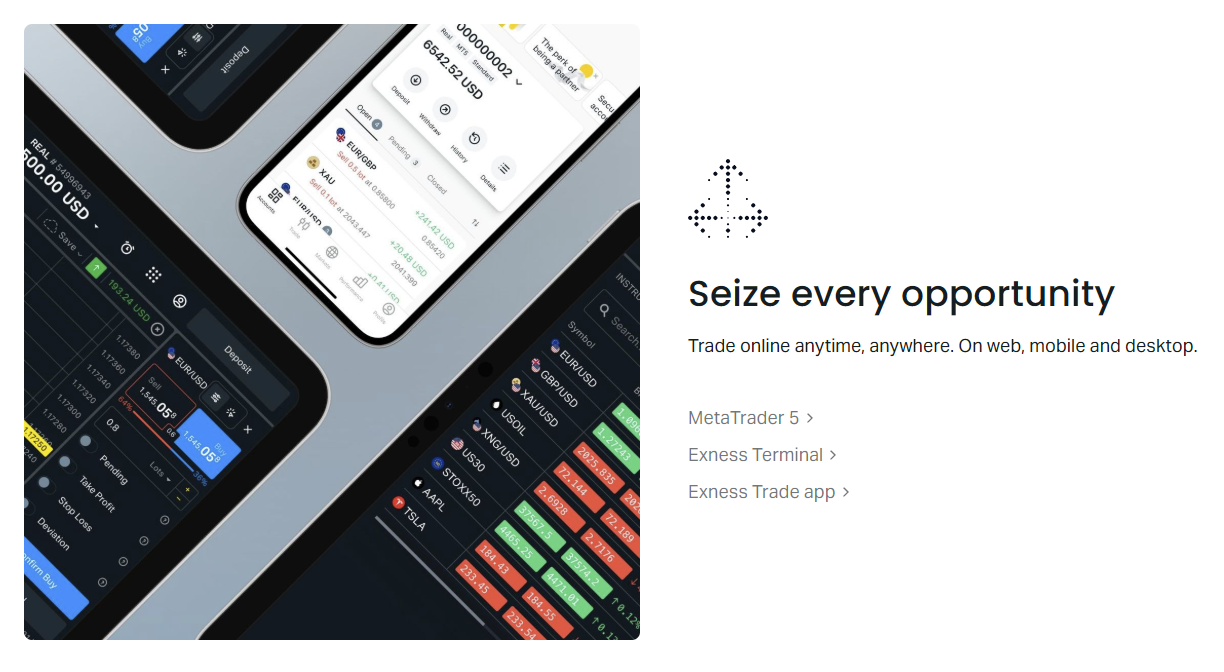
During evaluation phases, traders operate on simulated accounts that replicate live market conditions including spreads, commissions, and execution speeds. This approach allows the firm to assess trading skill without exposing actual capital to unproven strategies. The simulation environment uses the same trading platforms available to live account holders, ensuring that performance metrics accurately reflect how a trader would perform with real funds. Platform options include MetaTrader 4, MetaTrader 5, and the proprietary Exness Web Terminal.
Profit targets for evaluation phases are expressed as percentage returns on the starting account balance. Common targets range from 8% to 10% for the initial phase, with verification phases often requiring 5% to 8% returns. Maximum drawdown limits typically range from 5% to 10% of the starting balance, measured either as absolute drawdown from the initial balance or trailing drawdown from peak equity. Traders must also meet minimum trading day requirements, usually between 5 and 10 active trading days per phase, to prevent single-day luck from determining outcomes.
Upon successful completion of all evaluation phases, traders receive funded account credentials with real capital allocation. The funded account operates under similar risk parameters but with the critical difference that profits generated are real and withdrawable according to the agreed profit split. The firm typically retains 10% to 20% of profits while the trader receives 80% to 90%. Some programs offer improved profit splits for consistent performers or those who reach specific account size milestones through scaling programs.
Eligibility Criteria and Application Process
Participation in the Exness funded account program requires meeting specific eligibility criteria before beginning the evaluation process. These requirements ensure that candidates possess the basic qualifications needed for proprietary trading while complying with regulatory obligations. The application process is designed to be straightforward while maintaining appropriate due diligence standards.
- Age requirement: Must be at least 18 years old or the legal age of majority in your jurisdiction
- Geographic eligibility: Program availability varies by country due to regulatory restrictions
- Identity verification: Complete KYC process with valid government-issued identification
- Trading experience: No formal experience requirement, but evaluation phases test practical skills
- Platform proficiency: Familiarity with MetaTrader 4, MetaTrader 5, or Exness Web Terminal
- Risk acknowledgment: Acceptance of program terms, conditions, and risk disclosure documents
- Payment method: Valid payment method for evaluation fee (if applicable) and potential withdrawals
The application process begins with account registration on the Exness platform, followed by selection of the funded trader program from the available options. Candidates choose their desired account size tier, which determines the evaluation fee, profit targets, and eventual funded capital allocation. Common tier sizes range from $10,000 to $200,000 or more, with proportional evaluation fees. After payment, traders receive immediate access to the evaluation environment and can begin trading according to the program schedule.
It is important to note that evaluation fees are typically non-refundable regardless of outcome. These fees cover the cost of providing the simulated trading environment, data feeds, platform access, and evaluation administration. Some programs offer free retakes or discounted subsequent attempts if a trader fails a phase, but policies vary. Traders should carefully review the specific terms for their chosen tier before committing funds to the evaluation process.
Evaluation Phases and Performance Targets
The evaluation structure forms the core of the funded trader selection process. Exness employs a multi-phase approach designed to filter for consistent, disciplined trading rather than lucky outcomes. Each phase builds upon the previous one, with progressively refined requirements that test different aspects of trading competency. Understanding these phases in detail is essential for preparation and success.
Scroll horizontally to see all columns
| Phase | Profit Target | Max Drawdown | Min Trading Days | Time Limit |
|---|---|---|---|---|
| Phase 1 - Challenge | 8-10% | 5-10% | 5-10 days | 30-60 days |
| Phase 2 - Verification | 5-8% | 5-10% | 5-10 days | 30-60 days |
| Funded Account | Ongoing | 5-10% | None | Monthly review |
Phase 1, often called the Challenge phase, requires traders to achieve the highest profit target while respecting the maximum drawdown limit. This phase tests the ability to generate returns under pressure. The profit target of 8-10% may seem modest, but combined with a 5-10% drawdown limit, it demands a favorable risk-reward ratio and consistent execution. Traders who take excessive risk early often breach drawdown limits before reaching profit targets.
Phase 2, the Verification phase, typically features a lower profit target but maintains the same drawdown constraints. This phase confirms that Phase 1 results were not anomalous and that the trader can replicate performance under slightly different conditions. The verification phase also serves as a transition period where traders adjust to the psychological reality of impending real capital responsibility. Some programs combine both phases into a single evaluation with adjusted parameters.
Time limits for each phase prevent indefinite attempts and encourage consistent trading activity. The 30-60 day windows are generally sufficient for disciplined traders to meet requirements without rushing. However, traders who fall behind early may feel pressured to increase risk as deadlines approach, often leading to failure. Successful candidates typically pace their trading evenly throughout the available period, treating each day as part of a longer process rather than a sprint to the finish line.
Profit Sharing and Withdrawal Structure
The profit sharing arrangement defines the economic relationship between the funded trader and the firm. Exness offers competitive profit splits that reward successful trading while ensuring the firm's sustainability. The standard split typically allocates 80-90% of net profits to the trader, with the firm retaining 10-20%. This structure aligns incentives: traders maximize their income by generating consistent profits, while the firm benefits from a portfolio of successful traders managing its capital.
Scroll horizontally to see all columns
| Account Tier | Trader Split | Firm Split | Min Withdrawal | Withdrawal Frequency |
|---|---|---|---|---|
| Starter ($10K-$25K) | 80% | 20% | $50 | Bi-weekly |
| Professional ($50K-$100K) | 85% | 15% | $100 | Weekly |
| Elite ($200K+) | 90% | 10% | $250 | Weekly |
Withdrawal processing follows a defined schedule with minimum thresholds and frequency limits. Most programs allow bi-weekly or weekly withdrawal requests once the minimum amount is reached. Profits are calculated on a high-water mark basis, meaning traders only share profits on new equity highs. If an account experiences drawdown after a withdrawal, subsequent profits must recover the drawdown before new profit sharing applies. This mechanism protects the firm from paying splits on recovered losses.
The withdrawal process typically involves submitting a request through the trader dashboard, with funds transferred to the trader's verified payment method within 1-3 business days. Exness supports multiple withdrawal methods including bank transfers, credit/debit cards, and various electronic payment systems. Withdrawal fees, if any, are usually deducted from the trader's portion. Traders should factor these operational details into their financial planning, especially if relying on funded trading income for living expenses.
Trading Platforms and Tools Available
Funded traders gain access to Exness's full suite of trading platforms and analytical tools, the same infrastructure used by retail and institutional clients. This includes MetaTrader 4, MetaTrader 5, the Exness Web Terminal, and mobile applications for iOS and Android. Each platform offers distinct advantages, and traders can switch between them or use multiple simultaneously depending on their strategy requirements and preferences.
MetaTrader 4 remains popular for its extensive library of custom indicators, expert advisors, and community-developed tools. The platform's MQL4 programming language supports automated trading strategies, making it suitable for traders who employ algorithmic approaches. Exness provides optimized MT4 servers with low latency and reliable execution, critical for strategies sensitive to slippage or requotes.
MetaTrader 5 offers enhanced capabilities including additional timeframes, more order types, an integrated economic calendar, and improved backtesting functionality. The MQL5 language provides object-oriented programming features and better performance for complex algorithms. Traders developing or using sophisticated trading bots often prefer MT5 for its advanced strategy tester and multi-currency backtesting capabilities. The platform also supports netting and hedging account modes.
The Exness Web Terminal provides browser-based access without software installation, ideal for traders who need flexibility across devices or cannot install applications on work computers. The web platform includes essential charting tools, one-click trading, and real-time market data. Mobile applications extend this accessibility to smartphones and tablets, with push notifications for price alerts, margin calls, and order executions. All platforms synchronize seamlessly, allowing traders to manage positions from any device.
Risk Management Rules for Funded Traders
Risk management rules form the operational framework within which funded traders must operate. These rules are non-negotiable and violation typically results in immediate account termination and forfeiture of any accrued profits. The rules serve dual purposes: protecting the firm's capital from excessive losses and enforcing the disciplined trading habits that characterize successful professional traders. Understanding and internalizing these rules is as important as developing profitable strategies.
- Maximum daily drawdown limit: Typically 3-5% of account equity, resets at server midnight
- Maximum overall drawdown: 5-10% from initial balance or peak equity (trailing)
- Position sizing limits: Maximum lot size or exposure per trade and per symbol
- Leverage restrictions: Capped leverage ratios, often lower than retail maximums
- Prohibited strategies: Latency arbitrage, hedge arbitrage, tick scalping, news straddling
- Consistency requirements: No single day exceeding 30-50% of total profits
- Mandatory stop losses: All positions must have protective stop orders within specified time
- Weekend holding restrictions: Limits or prohibitions on holding positions over weekends
The daily drawdown limit is perhaps the most critical rule for day-to-day operations. It forces traders to accept small losses and move on, preventing the catastrophic spiral of revenge trading. The limit resets at the broker's server midnight (typically 00:00 UTC or broker time), giving traders a fresh allowance each day. Experienced funded traders often set personal daily loss limits well below the maximum, preserving psychological capital and avoiding the pressure of approaching the firm's hard limit.
Consistency rules prevent traders from passing evaluations or maintaining funded accounts through a single lucky trade. The requirement that no single day contributes more than 30-50% of total profits ensures that performance reflects repeatable skill. This rule also applies to funded accounts, where a massive one-day gain followed by steady losses would trigger review. Traders must demonstrate that their edge produces regular, modest gains rather than lottery-style outcomes.
Comparison with Traditional Prop Firms
The Exness funded account program differs from traditional proprietary trading firms in several meaningful ways. Traditional prop firms often operate as standalone entities focused exclusively on trader development and capital allocation. Exness, as a primary broker, integrates funded trading into its broader ecosystem. This integration creates both advantages and considerations that traders should evaluate when choosing between program types.
Scroll horizontally to see all columns
| Aspect | Exness Funded Program | Traditional Prop Firms |
|---|---|---|
| Primary Business | Broker with funded program | Dedicated prop trading firm |
| Platform Access | MT4, MT5, Web Terminal, Mobile | Often proprietary or limited platforms |
| Market Access | Full broker instrument range | May restrict instruments or sessions |
| Execution Quality | Direct broker execution | May route through third parties |
| Regulatory Oversight | Multiple tier-1 licenses | Varies widely, often offshore |
| Profit Split | 80-90% to trader | 50-90% depending on firm |
| Scaling Speed | Structured tier progression | Often faster aggressive scaling |
| Support Infrastructure | Full broker support team | Dedicated trader support |
A key advantage of the Exness model is execution quality and transparency. As the executing broker, Exness controls the entire trade lifecycle from order placement to fill. This eliminates the potential conflicts of interest that can arise when prop firms route orders through third-party brokers or internalize flow. Traders benefit from the same institutional-grade execution that Exness provides to all clients, including positive slippage when market conditions allow.
Traditional prop firms sometimes offer more aggressive scaling programs, allowing successful traders to reach larger capital allocations more quickly. Some firms double account sizes after each successful withdrawal or offer rapid scaling to $1M+ for top performers. Exness follows a more structured tier progression, which may be slower but provides predictable milestones. Traders prioritizing rapid capital growth over stability may prefer traditional firms, while those valuing regulatory protection and execution quality may favor the broker-integrated model.
Common Mistakes to Avoid During Evaluation
Evaluation phases are where most funded trader aspirations end. Understanding common failure patterns helps candidates prepare mentally and strategically. The majority of failures stem not from lack of technical knowledge but from psychological and risk management errors that emerge under evaluation pressure. Recognizing these patterns in advance allows traders to build specific safeguards into their evaluation approach.
- Overleveraging early: Using maximum position size from day one leaves no room for recovery
- Revenge trading after losses: Increasing risk to recover drawdown accelerates failure
- Ignoring correlation: Multiple positions in correlated pairs multiply effective risk
- News gambling: Holding positions through high-impact events without defined risk plan
- Inconsistent sizing: Varying position sizes randomly instead of using fixed fractional method
- Neglecting swap costs: Overnight fees erode profits on longer-term positions
- Platform unfamiliarity: Technical errors from not mastering the trading platform
- Time pressure trading: Forcing trades as phase deadline approaches
Overleveraging represents the single most common evaluation killer. Traders often calculate that a 10% profit target on a $100,000 account requires only $10,000 in gains, then size positions to achieve this in a few trades. A 2% adverse move on an oversized position can breach the 5% daily drawdown limit immediately. Professional funded traders typically risk 0.5-1% per trade, requiring dozens of trades to reach targets but providing resilience against normal market noise.
Correlation risk is frequently underestimated. A trader holding long EURUSD, long GBPUSD, and short USDCHF simultaneously has effectively tripled their USD directional exposure. A strong USD move hits all three positions simultaneously, potentially breaching drawdown limits despite each individual position being within size limits. Funded traders must monitor portfolio-level exposure across all open positions, not just per-trade risk. This requires either correlation-aware position sizing or limiting concurrent positions to uncorrelated instruments.
Exness Trading Bot Integration Options
Automated trading through expert advisors (EAs) and trading bots is permitted within the Exness funded account program, subject to specific guidelines. This capability is particularly relevant for traders who develop or purchase algorithmic strategies. The MetaTrader platforms provide robust environments for automated trading, with Exness offering optimized server infrastructure to minimize latency and execution delays that can impact bot performance.
Traders using automated strategies must ensure their bots comply with all program rules, including mandatory stop losses, position sizing limits, and prohibited strategy restrictions. Bots that engage in latency arbitrage, high-frequency scalping, or other prohibited activities will trigger compliance flags and potential account termination. It is the trader's responsibility to verify that any third-party bot or custom EA adheres to these constraints before deploying on a funded or evaluation account.
The Exness VPS hosting service provides low-latency virtual private servers optimized for MetaTrader operation. This service is valuable for traders running EAs that require 24/7 uptime and minimal execution delay. VPS proximity to Exness trade servers reduces network latency to under 1ms in many cases, which can be critical for strategies sensitive to slippage. Traders should factor VPS costs into their overall trading budget when planning automated approaches.
For traders seeking ready-made solutions, the MetaTrader Market and various third-party vendors offer thousands of commercial EAs. However, due diligence is essential. Many commercial bots show impressive backtest results but fail in live conditions due to overfitting, unrealistic spread assumptions, or inability to handle slippage. Funded traders should thoroughly forward-test any bot on demo accounts for at least 1-3 months before risking evaluation fees or funded capital. The Exness demo environment provides identical conditions to evaluation accounts for this purpose.
Account Scaling and Growth Opportunities
Successful funded traders can progress to larger capital allocations through structured scaling programs. Exness offers tiered account sizes that traders can qualify for by meeting specific performance and consistency criteria. Scaling provides a pathway to significant capital management without the personal financial risk of self-funding equivalent account sizes. The progression typically follows a defined schedule with clear milestones.
Scroll horizontally to see all columns
| Tier | Capital Allocation | Qualification Criteria | Profit Split |
|---|---|---|---|
| Entry | $10,000 - $25,000 | Pass evaluation phases | 80% |
| Growth | $50,000 - $100,000 | 3+ months consistent profit, no rule violations | 85% |
| Professional | $200,000 - $500,000 | 6+ months, 10%+ net return, scaling review | 85-90% |
| Elite | $1,000,000+ | 12+ months, exceptional track record, invitation | 90% |
Scaling reviews typically evaluate multiple factors beyond raw profitability. Consistency metrics include monthly profit factor, maximum drawdown relative to profits, number of profitable months versus losing months, and adherence to risk rules. Traders who generate high returns but with excessive volatility or frequent near-violations of drawdown limits may be denied scaling despite positive P&L. The firm seeks traders whose risk management is sustainable at larger sizes where absolute dollar fluctuations become significant.
Some scaling programs allow traders to compound their accounts by retaining a portion of profits within the funded account rather than withdrawing everything. This internal compounding accelerates equity growth and can qualify traders for higher tiers faster. However, retained profits remain subject to the firm's drawdown rules, meaning a subsequent drawdown reduces both the firm's capital and the trader's accumulated equity. Traders must balance withdrawal needs against growth objectives based on their personal financial situation.
Psychological Aspects of Funded Trading
The psychological dimension of funded trading differs significantly from trading personal capital. While the absence of personal financial risk reduces certain pressures, it introduces new psychological challenges. Traders often report feeling greater responsibility toward the firm's capital than their own, leading to performance anxiety. The evaluation phases amplify this effect, as failure means losing the evaluation fee and the opportunity cost of time invested.
Imposter syndrome affects many newly funded traders who question whether their evaluation success represents genuine skill or favorable market conditions. This doubt can manifest as hesitation on valid setups, premature profit-taking, or inability to hold winners to target. Conversely, some traders develop overconfidence after passing evaluations, leading to rule violations or strategy drift. Maintaining the disciplined approach that succeeded in evaluation requires conscious effort and ongoing self-monitoring.
The profit split arrangement creates a unique incentive structure. Traders effectively work on commission, earning a percentage of what they generate. This can motivate higher effort but also encourages risk-taking to increase the absolute profit pool. The firm's drawdown limits act as a counterbalance, but the psychological tension between maximizing split income and preserving capital access persists. Successful funded traders develop personal risk rules stricter than the firm's minimums, creating a buffer that protects both their account status and their mental equilibrium.
Funded trading success depends more on emotional discipline during drawdowns than on technical analysis during uptrends.
Tax Implications and Legal Considerations
Funded trading income classification varies by jurisdiction and individual circumstances. In many countries, profits from funded trading programs are treated as self-employment income or business revenue rather than capital gains. This distinction affects tax rates, allowable deductions, and reporting requirements. Traders should consult qualified tax professionals familiar with proprietary trading arrangements in their specific jurisdiction before relying on funded trading as a primary income source.
The contractual relationship between trader and firm is typically structured as an independent contractor agreement rather than employment. This means traders are responsible for their own taxes, insurance, retirement planning, and other benefits. The agreement usually includes intellectual property clauses regarding trading strategies developed during the engagement, confidentiality provisions, and non-compete restrictions that may limit simultaneous participation in other funded programs.
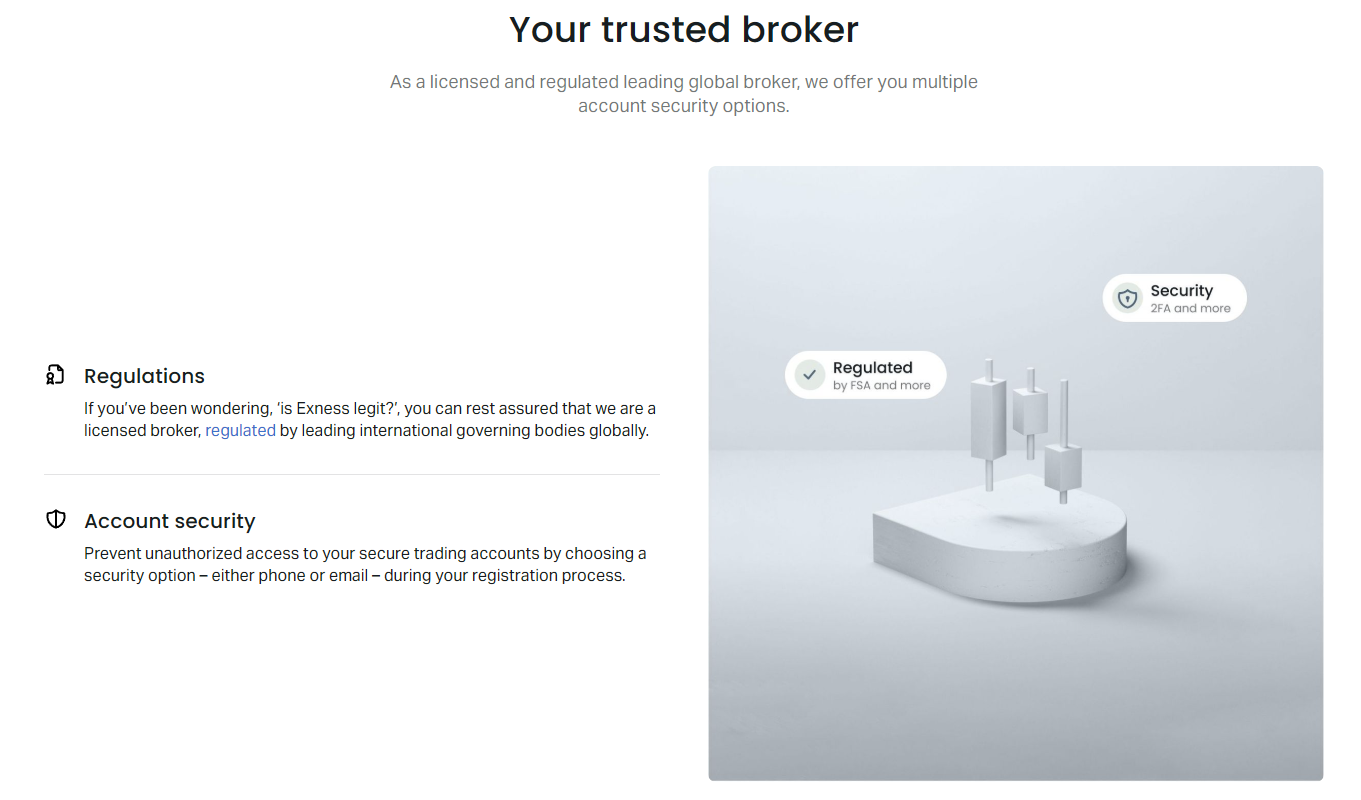
Regulatory compliance adds another layer of complexity. Exness operates under multiple regulatory licenses, and the funded trader program must comply with the rules of each relevant jurisdiction. Traders from restricted countries may be ineligible regardless of skill level. The firm's compliance department conducts ongoing monitoring for sanctions violations, anti-money laundering compliance, and know-your-customer obligations. Traders must keep their identification documents current and report any material changes in circumstances promptly.
Technology Infrastructure and Execution Quality
The technological foundation supporting the Exness funded account program directly impacts trader performance. Execution speed, server stability, data accuracy, and platform reliability determine whether a trader's strategy performs as designed. Exness invests heavily in infrastructure, with data centers strategically located near major liquidity hubs including London, New York, and Tokyo. This geographic distribution minimizes latency for traders worldwide.
Order execution follows a no-dealing-desk model where client orders are routed directly to liquidity providers without internal dealing desk intervention. This eliminates conflicts of interest where the broker might benefit from client losses. The firm publishes execution statistics including average execution speed, slippage distribution, and requote rates, providing transparency that allows traders to assess whether the execution environment suits their strategy requirements.
Server uptime exceeds 99.9% excluding scheduled maintenance windows, which are communicated in advance and typically occur during low-liquidity weekend periods. The platform includes built-in redundancy with automatic failover to backup systems. For algorithmic traders, the Exness VPS service provides guaranteed uptime with sub-millisecond latency to trade servers. This infrastructure reliability is especially critical during high-volatility events when retail brokers often experience outages or degraded performance.
Market Access and Instrument Coverage
Funded traders access the full range of instruments available on the Exness platform, subject to any program-specific restrictions. This includes major, minor, and exotic forex pairs; global stock indices; commodities including precious metals and energies; cryptocurrencies; and individual stocks. The breadth of available markets allows traders to diversify strategies across asset classes or specialize in niches where they have developed expertise.
Forex pairs typically offer the tightest spreads and highest leverage, making them popular for short-term strategies. Major pairs like EURUSD, GBPUSD, and USDJPY often feature spreads near zero during peak liquidity hours on raw spread accounts. Index CFDs provide exposure to equity markets without the constraints of exchange hours or pattern day trading rules. Commodity CFDs allow speculation on gold, oil, and other raw materials with leverage unavailable in physical markets.
Cryptocurrency trading is available 24/7, including weekends when traditional markets are closed. This continuous access enables strategies that capture weekend price action or hedge weekday positions. However, crypto spreads widen significantly during low-liquidity periods, and leverage is typically lower than forex. Traders should adjust position sizing and risk parameters accordingly when including crypto in their funded trading approach.
Educational Resources and Trader Development
Exness provides extensive educational resources that funded traders can leverage for continuous improvement. These include market analysis from the Trading Central partnership, daily technical and fundamental outlooks, economic calendar with impact ratings, and platform tutorials. The broker's commitment to trader education reflects the alignment of interests: more skilled traders generate more consistent profits for both parties.
The Trading Central integration delivers actionable technical analysis across multiple timeframes and instruments. Signals include pivot points, support/resistance levels, trend direction, and alternative scenarios. While not a substitute for personal analysis, these resources can confirm or challenge a trader's own assessment. Funded traders often incorporate Trading Central levels into their decision framework as additional confluence factors for entry and exit decisions.
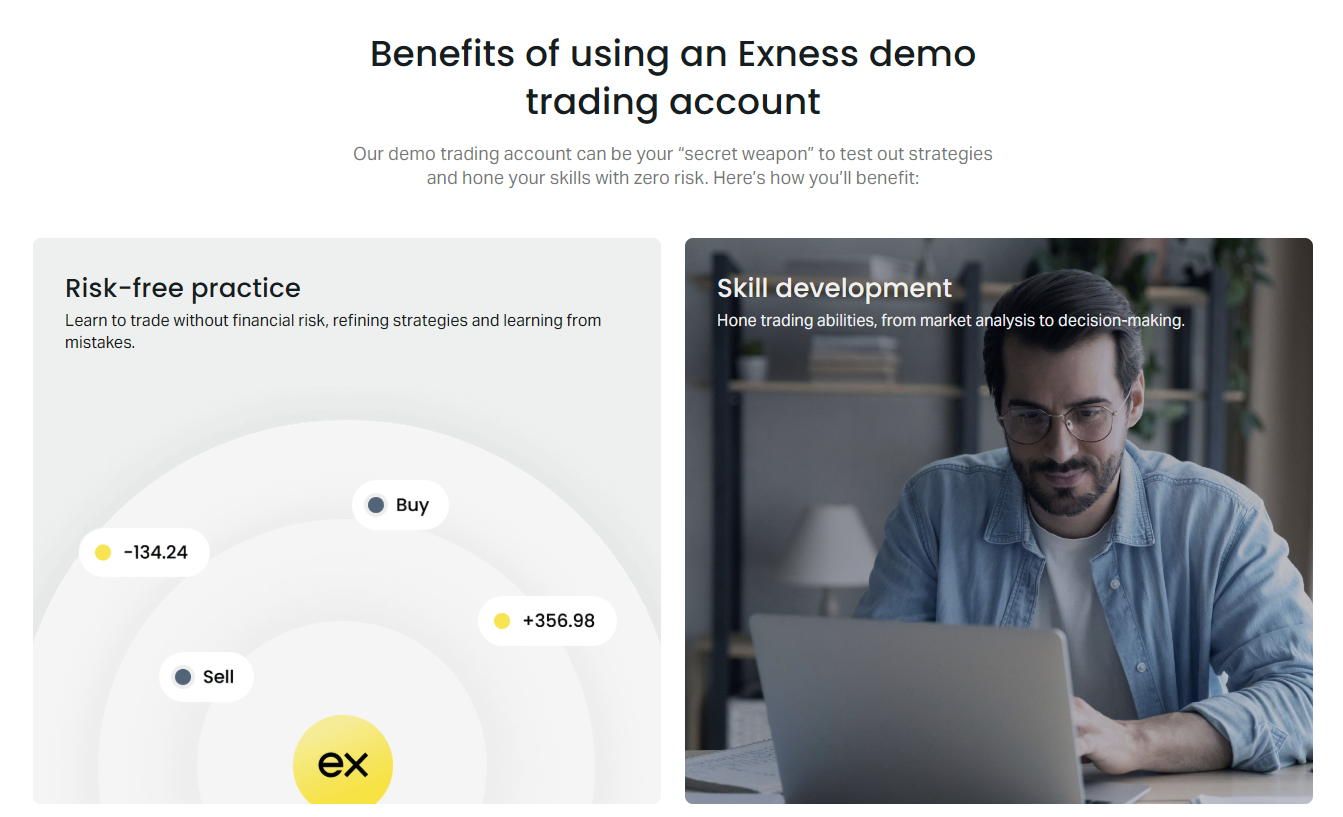
The demo account environment serves as a risk-free laboratory for strategy development, platform familiarization, and psychological preparation. Exness demo accounts replicate live conditions including spreads, swaps, and execution characteristics. Traders preparing for evaluation should treat demo trading with the same discipline they will apply to funded accounts. The transition from demo to evaluation to funded should represent a continuity of process, not a change in approach.
Key Takeaways About Exness Funded Account
The Exness funded account program offers a legitimate pathway for skilled traders to access substantial trading capital through a structured evaluation process. The program's integration with a regulated, globally recognized broker provides advantages in execution quality, platform choice, regulatory protection, and instrument diversity. Success requires more than technical trading ability; it demands disciplined risk management, psychological resilience, and consistent process execution over extended periods.
Traders considering this program should approach it as a professional endeavor rather than a speculative opportunity. The evaluation fees, time investment, and ongoing compliance requirements represent real costs that must be weighed against potential returns. Those who treat funded trading as a business—with detailed trading plans, risk protocols, performance tracking, and continuous improvement cycles—are best positioned for long-term success. The program rewards the same attributes that create success in any trading environment: patience, discipline, adaptability, and respect for risk.
Frequently Asked Questions
What happens if I fail an evaluation phase?
Failing an evaluation phase typically means the attempt ends and the evaluation fee is forfeited. Some programs offer discounted retakes or free repeat attempts depending on the specific terms. You can usually purchase a new evaluation immediately if you wish to try again.
Can I use my own trading bot or expert advisor?
Yes, automated trading is permitted on MetaTrader 4 and MetaTrader 5 platforms. However, all bot activity must comply with program rules including mandatory stop losses, position sizing limits, and prohibitions on latency arbitrage or high-frequency scalping strategies.
How quickly can I withdraw profits from a funded account?
Withdrawal frequency depends on your account tier, typically weekly or bi-weekly. Minimum withdrawal thresholds apply ($50-$250 depending on tier). Requests are processed within 1-3 business days to your verified payment method.
Are there restrictions on trading during news events?
Most funded programs prohibit holding positions through high-impact news events without predefined risk controls. Some allow news trading with mandatory stop losses placed before the event. Check specific program rules for the exact restricted events and requirements.
What is the maximum account size I can reach through scaling?
Scaling programs typically offer tiers up to $1,000,000 or more for elite performers. Progression requires consistent profitability, rule adherence, and periodic review. The highest tiers are often by invitation only after demonstrating exceptional long-term track records.
Do I need to pay taxes on funded trading profits?
Tax treatment varies by jurisdiction. In many countries, funded trading profits are classified as self-employment or business income rather than capital gains. Consult a qualified tax professional in your country for specific guidance on reporting and obligations.
Can I trade from multiple devices simultaneously?
Yes, you can access your funded account from multiple devices including desktop platforms, web terminal, and mobile apps. All platforms synchronize in real-time. However, simultaneous conflicting orders from different devices could trigger risk management flags.
What happens if the firm changes program terms?
Program terms are governed by the agreement you sign. Material changes typically require notification and may apply only to new evaluations or after current phases complete. Existing funded accounts usually maintain their terms until the next scaling review or contract renewal period.