

Trading Platforms
Exness Social Trading App: Features and User Guide
Complete guide to social trading features, copying strategies, and managing investments on the Exness mobile platform.

Forex Analyst
Forex Analyst specializing in currency markets, market trends, technical and fundamental analysis, and providing clear insights to help traders make informed decisions.
The Exness Social Trading App brings copy trading functionality to mobile devices, allowing traders to replicate the positions of experienced strategy providers automatically. This application integrates with the broader Exness ecosystem, offering access to forex pairs, commodities, indices, stocks, and cryptocurrencies through a streamlined interface designed for both novice and experienced market participants. The platform emphasizes transparency by displaying detailed performance metrics, risk scores, and historical data for each available strategy, enabling users to make informed decisions about which traders to follow.
Contents
- What Is the Exness Social Trading App
- Key Features of the Social Trading Platform
- Getting Started with Copy Trading
- Finding and Evaluating Strategy Providers
- Risk Management Tools for Copiers
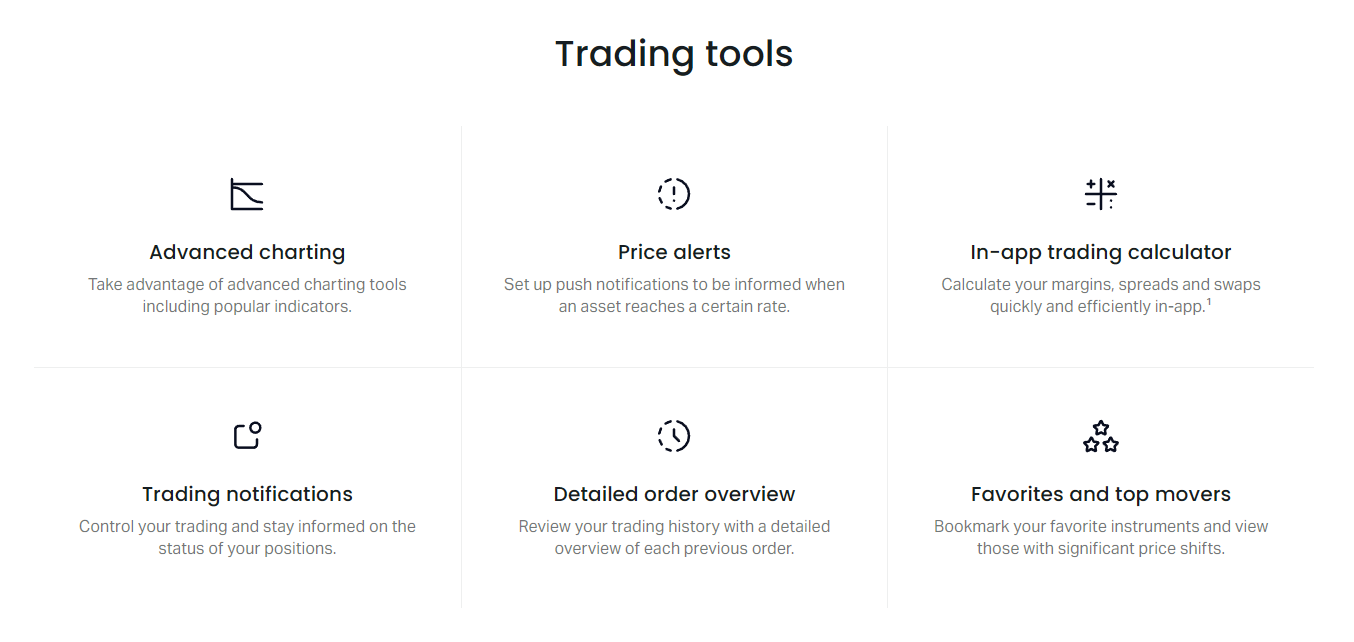
- Mobile App Interface and Usability
- Account Types Compatible with Social Trading
- Fees and Cost Structure
- Security and Regulation Overview
- Comparing Exness Social Trading to Alternatives
- Tips for Successful Copy Trading
- Advanced Features for Experienced Copiers
- Common Challenges and Solutions
- Final Assessment of Exness Social Trading App
Social trading has evolved significantly since its early iterations, moving beyond simple signal services toward fully integrated ecosystems where execution, risk management, and portfolio monitoring occur within a single application. The Exness implementation reflects this maturity by providing real-time synchronization between strategy providers and copiers, adjustable copy ratios, and comprehensive analytics that help users understand the risk profile of each strategy before committing capital. This approach addresses a common pain point in the industry where copiers often lack visibility into drawdown patterns, trade frequency, and correlation risks.
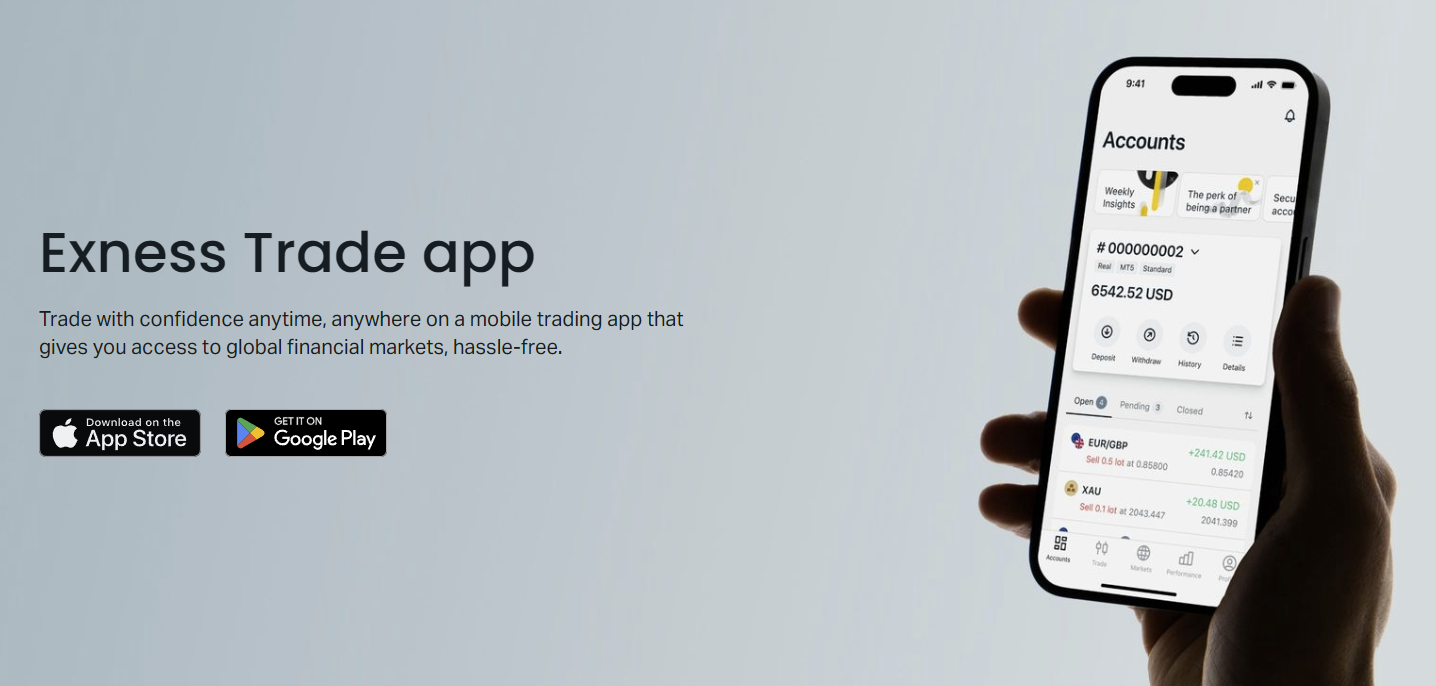
The application is available on both iOS and Android platforms, with feature parity across operating systems. Users can download the app directly from the Apple App Store or Google Play Store, and the installation process follows standard mobile application protocols. Once installed, the app connects to existing Exness accounts or guides new users through the registration and verification process. The onboarding flow includes risk assessment questionnaires, leverage selection, and deposit method configuration, ensuring that users establish appropriate risk parameters before engaging with social trading features.
Regulatory compliance remains a cornerstone of the Exness offering, with the broker holding licenses from multiple jurisdictions including the FCA in the United Kingdom, CySEC in Cyprus, FSCA in South Africa, and FSA in Seychelles. This multi-jurisdictional regulatory framework provides a layer of protection for client funds through segregation requirements, negative balance protection, and participation in compensation schemes where applicable. The social trading functionality operates within this same regulatory perimeter, meaning that copied trades are subject to the same execution standards, margin rules, and investor protections as manually placed orders.
What Is the Exness Social Trading App
The Exness Social Trading App functions as a dedicated mobile gateway to the broker's copy trading ecosystem, distinct from the primary Exness Trade app which focuses on manual trading and account management. While both applications share the same backend infrastructure and account credentials, the social trading variant prioritizes discovery, evaluation, and management of third-party trading strategies. Users browse a marketplace of strategy providers, each presenting a track record that includes total return, maximum drawdown, Sharpe ratio, number of copiers, assets under management, and trading history spanning months or years.
Strategy providers on the platform are existing Exness clients who opt to make their trading activity public and allow others to copy their positions. These providers earn performance fees based on the profits generated for their copiers, creating an alignment of interests that differs from traditional signal services where providers profit from subscription fees regardless of outcomes. The fee structure typically involves a percentage of profitable trades copied, with the exact rate set by each provider and displayed transparently in their profile. This performance-based model incentivizes providers to focus on sustainable returns rather than high-risk strategies that might attract short-term attention.
The app architecture separates the strategy provider's execution from the copier's account, meaning that providers cannot access copier funds, modify copier account settings, or view personal information beyond aggregate statistics. When a provider opens a position, the system automatically replicates it in copier accounts according to the configured copy ratio, which determines the proportion of the copier's equity allocated to each trade. This ratio can be adjusted at any time, and copiers retain full control to stop copying, close individual positions, or modify risk parameters independently of the provider's actions.
Market coverage within the social trading app mirrors the broader Exness instrument offering, encompassing major, minor, and exotic forex pairs, spot metals including gold and silver, energy commodities such as crude oil and natural gas, global equity indices, individual stocks from major exchanges, and a selection of cryptocurrency pairs. This breadth allows strategy providers to implement diversified approaches across asset classes, and copiers benefit from exposure to markets they might not trade independently. The app displays real-time pricing, spreads, and swap rates for all available instruments, ensuring transparency around trading costs.
Key Features of the Social Trading Platform
The platform incorporates several distinguishing features that enhance the copy trading experience beyond basic position replication. Advanced filtering tools allow users to sort strategy providers by return metrics, risk scores, asset class focus, trading frequency, and minimum investment requirements. These filters can be combined to create highly specific searches, such as finding providers who trade only forex with a maximum drawdown below 15% and a minimum twelve-month track record. The filtering system updates in real time as new performance data becomes available, ensuring that search results reflect current conditions.
- Real-time strategy marketplace with comprehensive performance analytics
- Adjustable copy ratios with independent risk controls per strategy
- Multi-asset coverage including forex, commodities, indices, stocks, and crypto
- Performance-based fee structure aligning provider and copier incentives
- Advanced filtering and sorting by risk, return, and trading style metrics
- Detailed trade history with entry, exit, and position management data
- Portfolio-level analytics showing aggregate exposure and correlation
- Push notifications for strategy updates, trade executions, and risk alerts
Portfolio analytics provide a consolidated view of all active copying relationships, displaying aggregate metrics such as total invested capital, unrealized and realized profit and loss, overall return percentage, and maximum portfolio drawdown. The analytics dashboard also breaks down exposure by asset class, provider, and currency, helping users identify concentration risks that might not be apparent when evaluating strategies individually. Correlation analysis between copied strategies highlights situations where multiple providers might take similar positions, effectively doubling exposure to a single market move.
Risk management tools extend beyond simple copy ratios. Users can set maximum drawdown limits per strategy, automatically pausing copying if a provider's equity declines beyond a specified threshold. Stop-loss orders can be applied to copied positions independently of the provider's orders, providing an additional layer of protection. The app also supports copying with a fixed lot size rather than a proportional ratio, which suits users who prefer absolute position sizing regardless of account equity fluctuations. These controls operate at the application level and do not require provider cooperation or notification.
Getting Started with Copy Trading
The onboarding process for social trading begins with account verification, which follows standard KYC procedures requiring government-issued identification and proof of address. Once verified, users fund their accounts through any of the supported deposit methods, which include bank transfers, credit and debit cards, electronic wallets, and regional payment systems. Minimum deposit requirements vary by account type and jurisdiction but generally start at low thresholds accessible to retail traders. The app guides users through a risk profiling questionnaire that influences default leverage settings and suggested strategy filters.
- Complete identity verification through the in-app KYC flow
- Deposit funds using preferred payment method with instant processing options
- Complete risk assessment questionnaire to calibrate default settings
- Browse strategy marketplace using filters aligned with risk tolerance
- Review provider profiles including full trade history and risk metrics
- Configure copy ratio and risk limits before activating copying
- Monitor performance through portfolio dashboard and adjust as needed
Strategy selection warrants careful consideration of multiple factors beyond headline returns. The app presents each provider's equity curve, monthly return distribution, win rate, average holding time, and maximum consecutive losses. These metrics reveal the behavioral characteristics of a strategy: a high win rate with large average losses suggests a strategy that takes small profits but lets losers run, while a low win rate with large average wins indicates a trend-following approach. Understanding these patterns helps copiers align strategy selection with their own psychological tolerance for different drawdown profiles.
The copy activation process requires explicit confirmation of the copy ratio, which determines how much of the copier's equity mirrors each provider trade. A 100% ratio means the copier replicates the provider's position size relative to their own account equity, while a 50% ratio halves the exposure. Users can also specify a maximum allocation per strategy as a percentage of total account equity, preventing any single provider from dominating the portfolio. Once activated, the system begins replicating new positions immediately and provides the option to copy existing open positions at current market prices.
Finding and Evaluating Strategy Providers
The strategy discovery interface presents providers in a card-based layout showing key metrics at a glance: total return since inception, annualized return, maximum drawdown, risk score, number of copiers, assets under management, and the provider's self-declared trading style. Tapping a card opens a detailed profile with tabs for performance, trades, statistics, and reviews. The performance tab displays an interactive equity curve with benchmark comparisons, while the trades tab lists every historical position with entry and exit timestamps, direction, volume, and profit or loss in both pips and account currency.
Scroll horizontally to see all columns
| Metric | Description | Interpretation |
|---|---|---|
| Total Return | Cumulative profit since strategy inception | Higher is better but context matters |
| Max Drawdown | Largest peak-to-trough equity decline | Lower indicates better risk control |
| Sharpe Ratio | Risk-adjusted return measure | Above 1.0 suggests efficient risk usage |
| Win Rate | Percentage of profitable trades | Varies by strategy type; context needed |
| Profit Factor | Gross profit divided by gross loss | Above 1.5 indicates positive expectancy |
| Copier Count | Number of accounts copying this strategy | High count suggests community trust |
| AUM | Assets under management from copiers | Large AUM may impact execution quality |
| Track Record | Length of verifiable trading history | Longer history provides more confidence |
Statistical analysis tools within each provider profile enable deeper due diligence. The statistics tab calculates metrics such as the Calmar ratio (annualized return divided by maximum drawdown), Sortino ratio (downside deviation focus), and recovery factor (net profit divided by maximum drawdown). Monthly return heatmaps visualize consistency across market conditions, revealing whether a strategy performs well only in trending markets or adapts to ranging conditions. The trade distribution analysis shows position sizing patterns, holding time distributions, and correlation with major market indices.
User reviews and community feedback add qualitative context to quantitative metrics. Copiers can leave reviews after maintaining a copying relationship for a minimum period, rating providers on communication, consistency, risk management, and overall satisfaction. These reviews are moderated to prevent manipulation but provide valuable insights into provider behavior during stressful market periods, responsiveness to copier questions, and adherence to stated trading methodologies. The review system also surfaces common complaints such as sudden strategy changes, excessive trading frequency, or deviation from declared risk parameters.
Risk Management Tools for Copiers
Effective risk management in social trading requires controls at both the portfolio and individual strategy levels. The Exness Social Trading App provides a layered approach starting with account-level settings that apply globally, then strategy-specific overrides, and finally position-level interventions. At the account level, users can set a maximum total allocation to social trading as a percentage of account equity, ensuring that manual trading capacity remains available. A global maximum drawdown trigger can pause all copying activity if the aggregate portfolio declines beyond a defined threshold.
Per-strategy controls offer granular customization. Each copied strategy can have its own copy ratio, maximum allocation cap, drawdown stop-loss, and fixed lot size override. The drawdown stop-loss is particularly valuable: it monitors the provider's equity curve from the moment copying begins and automatically pauses replication if the provider experiences a drawdown exceeding the copier's specified limit. This protects against strategy deterioration or regime changes that might not be immediately apparent from headline metrics. The pause is reversible; copiers can resume copying after reviewing the situation.
- Global social trading allocation limit as percentage of equity
- Portfolio-wide drawdown circuit breaker pausing all copying
- Per-strategy copy ratio adjustable from 1% to 200%
- Maximum allocation cap per strategy preventing overconcentration
- Provider drawdown stop-loss with automatic pause and manual resume
- Fixed lot size option for absolute position sizing control
- Individual position closure without stopping the copying relationship
- Real-time margin monitoring with proximity alerts
Margin management deserves special attention in copy trading because copiers do not control when positions are opened. A provider might open multiple positions simultaneously during high volatility, rapidly consuming available margin. The app displays real-time margin usage broken down by strategy, with color-coded indicators showing margin health. Push notifications alert users when margin levels approach critical thresholds, providing time to deposit additional funds or reduce exposure before stop-out events occur. The platform also supports negative balance protection, ensuring that copiers cannot lose more than their deposited capital even during extreme market gaps.
The most overlooked risk in copy trading is correlation. Copying five providers who all trade EURUSD with similar methodologies creates concentrated exposure, not diversification.
Mobile App Interface and Usability
The user interface follows modern mobile design principles with a bottom navigation bar providing access to four primary sections: Discover, Portfolio, Providers, and Account. The Discover screen serves as the strategy marketplace with filtering controls prominently placed at the top. The Portfolio screen displays active copying relationships with real-time P&L, equity curves, and quick actions to adjust ratios or stop copying. The Providers screen shows followed strategies with performance summaries and direct access to detailed profiles. The Account section manages deposits, withdrawals, settings, and support access.
Navigation between screens is fluid with minimal loading times, thanks to aggressive caching of strategy data and background synchronization. The app supports both light and dark modes, automatically following system preferences or allowing manual selection. Charts within provider profiles are interactive, supporting pinch-to-zoom, pan gestures, and timeframe selection from tick data to monthly intervals. Trade history tables implement virtual scrolling for smooth performance even with providers who have thousands of historical trades. The overall experience prioritizes information density without visual clutter, using progressive disclosure to reveal detail on demand.
Accessibility features include dynamic type support for users who prefer larger text, VoiceOver and TalkBack compatibility for screen reader users, and high contrast mode for improved visibility. The app supports multiple languages with full localization of financial terminology, not just UI labels. Regional settings automatically adjust date formats, number formatting, and currency display. Offline mode caches essential portfolio data and strategy listings, allowing users to review positions and performance without an active connection, though trading actions naturally require connectivity.
Account Types Compatible with Social Trading
Social trading functionality is available across all Exness account types, though trading conditions vary significantly between them. Standard and Standard Cent accounts offer commission-free trading with wider spreads, making them suitable for copiers who prefer simplicity and lower minimum deposits. Professional accounts including Raw Spread, Zero, and Pro provide tighter spreads with commission-based pricing, which can reduce overall costs for high-volume copied strategies. The choice of account type affects the net performance of copied trades because spreads and commissions are applied at the copier's account level, not the provider's.
Scroll horizontally to see all columns
| Account Type | Spread Model | Commission | Min Deposit | Best For |
|---|---|---|---|---|
| Standard | Floating from 0.3 pips | None | $1 | Beginners, low capital |
| Standard Cent | Floating from 0.3 pips | None | $1 | Micro position sizing |
| Raw Spread | From 0.0 pips | $3.5 per lot/side | $200 | Cost-sensitive copiers |
| Zero | From 0.0 pips on top 30 | $3.5 per lot/side | $200 | Major pair focus |
| Pro | From 0.1 pips | None | $200 | Commission-free preference |
Islamic swap-free accounts are fully compatible with social trading, allowing Muslim traders to copy strategies without incurring overnight interest charges. When a provider holds positions overnight, the swap adjustment is handled at the copier's account level according to their account type. This means a copier on a swap-free account will not pay or receive swaps on copied positions, while the provider's account reflects swaps according to their own account type. This separation ensures religious compliance without restricting strategy availability or requiring providers to maintain swap-free accounts themselves.
Leverage settings operate independently between providers and copiers. A provider might trade with 1:2000 leverage while a copier uses 1:100, and the system adjusts position sizes accordingly to maintain the specified copy ratio. However, copiers should understand that higher provider leverage increases the risk of stop-outs during volatile periods, which would close copied positions at the copier's end as well. The app displays the provider's current leverage setting in their profile, allowing copiers to factor this into their risk assessment. Margin requirements for copied positions follow the copier's account leverage, not the provider's.
Fees and Cost Structure
The cost structure for social trading comprises three layers: the provider's performance fee, the copier's account trading costs (spreads and commissions), and any applicable swap charges for overnight positions. Performance fees are set by each provider and typically range from 10% to 30% of profits generated for copiers, calculated on a high-water mark basis. This means fees are only charged on new profits exceeding the previous peak equity, preventing double-charging for recovery from drawdowns. Fees are deducted automatically from the copier's account at regular intervals, usually weekly or monthly depending on the provider's configuration.
- Provider performance fee: 10-30% of profits, high-water mark calculation
- Spread costs: Applied at copier's account level per instrument
- Commission charges: For Raw Spread, Zero, and Pro accounts
- Swap fees: Overnight financing per copier's account type
- No subscription fees or platform access charges
- Fee transparency: All costs displayed before copying activation
- Fee deduction: Automatic at provider-defined intervals
- No hidden markup on provider trade execution prices
Spread and commission costs can significantly impact net returns, especially for strategies with high trading frequency. A provider executing fifty trades per day on a Standard account with 1.0 pip average spread generates substantially higher transaction costs than the same strategy on a Raw Spread account with 0.1 pip spread plus commission. The app includes a cost simulation tool that estimates the impact of the copier's account type on a provider's historical performance, showing net returns after all trading costs. This feature helps users select the most cost-effective account type for their chosen strategies.
Withdrawal fees and processing times follow standard Exness policies, with most methods offering instant or near-instant processing without fees. Bank transfers may incur intermediary bank charges outside Exness control. The social trading app does not impose additional withdrawal restrictions or lock-up periods; copiers can withdraw available funds at any time, though doing so reduces the equity base for copy ratio calculations. Performance fees already accrued but not yet deducted are typically settled before withdrawal processing to ensure providers receive earned compensation.
Security and Regulation Overview
Security architecture for the social trading app employs multiple layers of protection. Account access requires two-factor authentication via SMS, authenticator app, or email codes, with biometric authentication supported on compatible devices. Session management automatically logs out inactive users, and device management allows revoking access from lost or compromised devices. All communication between the app and Exness servers uses TLS 1.3 encryption with certificate pinning to prevent man-in-the-middle attacks. The app undergoes regular penetration testing and holds security certifications relevant to financial applications.
Fund protection operates through several mechanisms. Client funds are held in segregated accounts at top-tier banks, separate from Exness operational funds. Negative balance protection ensures that copiers cannot lose more than their deposited capital, even if copied positions experience extreme slippage during market gaps. The broker participates in the Financial Services Compensation Scheme (FSCS) for eligible UK clients and the Investor Compensation Fund (ICF) for eligible CySEC clients, providing coverage up to specified limits in the unlikely event of broker insolvency. These protections apply equally to social trading and manual trading activities.
Regulatory oversight of copy trading platforms varies globally. Exness operates under multiple licenses, but copiers should verify which regulator covers their specific account jurisdiction and what protections apply.
Data privacy compliance follows GDPR standards for European clients and equivalent frameworks in other jurisdictions. Personal information, trading history, and copying relationships are encrypted at rest and in transit. The app collects minimal analytics data for performance optimization, with opt-out controls in settings. Strategy providers cannot access copier personal data beyond aggregate statistics such as total copier count and aggregate AUM. Copier identities remain anonymous to providers and other copiers, with only performance metrics shared publicly.
Comparing Exness Social Trading to Alternatives
The social trading landscape includes several categories of platforms: broker-native solutions like Exness, dedicated copy trading networks such as eToro and ZuluTrade, and signal services integrated with MetaTrader. Each model presents distinct trade-offs. Broker-native platforms offer tighter integration with account infrastructure, lower latency between provider and copier execution, and unified regulation. Dedicated networks often provide larger strategy universes and more sophisticated social features but may introduce additional counterparty risk and fee layers. Signal services require manual execution or third-party copier software, adding complexity and potential execution delays.
Scroll horizontally to see all columns
| Feature | Exness Social Trading | Dedicated Networks | MT4/MT5 Signals |
|---|---|---|---|
| Execution Latency | Minimal (same broker) | Variable (cross-broker) | Depends on VPS/setup |
| Regulatory Coverage | Broker licenses apply | Platform + broker | Broker only |
| Strategy Universe | Exness clients only | Multi-broker pool | Marketplace dependent |
| Fee Structure | Performance-based | Performance + subscription | Subscription typically |
| Risk Controls | Integrated, granular | Platform-dependent | Limited to copier software |
| Account Integration | Native, seamless | Requires linking | Native to MT4/MT5 |
A key differentiator for Exness is the alignment of execution quality between providers and copiers. Since both operate on the same trading infrastructure with identical liquidity providers, there is no execution quality gap that sometimes plagues cross-broker copy trading where copiers receive worse fills than providers. The platform also eliminates the need for VPS hosting or third-party copier software, reducing technical complexity and potential points of failure. However, the strategy universe is limited to Exness clients, which may be smaller than multi-broker networks but ensures all providers meet the same regulatory and operational standards.
Cost comparison reveals nuanced trade-offs. Exness charges no platform fees beyond the provider's performance fee and standard trading costs. Dedicated networks often charge subscription fees for access to premium strategies or advanced analytics, plus performance fees. MT4/MT5 signal services typically charge monthly subscriptions per signal, regardless of profitability. For copiers following multiple strategies, the Exness model can be more cost-effective, especially when using Raw Spread or Zero accounts where commission-based pricing scales favorably with volume. The absence of subscription fees means copiers can experiment with different providers without recurring fixed costs.
Tips for Successful Copy Trading
Successful copy trading requires treating the activity as portfolio management rather than passive investment. Diversification across multiple providers with uncorrelated strategies reduces the impact of any single strategy's underperformance. The app's correlation analysis tools help identify overlapping exposures, but copiers should also examine the underlying logic of each strategy. A mean-reversion forex strategy and a trend-following commodity strategy may show low historical correlation but could both suffer during a liquidity crisis. Allocating across different strategy types, timeframes, and asset classes builds a more resilient portfolio.
- Diversify across 3-5 providers with different strategy types
- Limit allocation to any single provider to 20-30% of social trading capital
- Monitor strategy adherence to declared methodology monthly
- Rebalance copy ratios quarterly based on risk-adjusted performance
- Maintain cash reserve for margin calls during high volatility
- Review provider trade frequency matches your cost structure
- Test new providers with minimal allocation before scaling
- Document reasoning for each provider selection for future review
Regular portfolio review is essential. Monthly reviews should assess whether each provider's recent performance aligns with their historical profile, whether risk metrics have deteriorated, and whether the strategy remains suitable for current market conditions. The app's notification system can alert copiers to significant events such as strategy description changes, fee adjustments, or drawdown threshold breaches. Copiers should also periodically verify that their own risk tolerance hasn't changed due to life circumstances, adjusting global allocation limits accordingly. Tax implications of copy trading profits vary by jurisdiction and should be discussed with a qualified advisor.
Advanced Features for Experienced Copiers
Experienced users can leverage advanced features to refine their copy trading approach. The strategy combination analyzer simulates historical performance of multiple providers copied simultaneously, showing aggregate metrics that differ from individual provider statistics due to diversification effects. This tool accepts custom allocation weights and date ranges, enabling backtesting of portfolio construction decisions. Results include combined equity curve, maximum drawdown, Sharpe ratio, and correlation matrix, providing quantitative support for allocation decisions.
Custom alert configurations allow copiers to define specific conditions that trigger notifications. Alerts can be based on provider-level events such as new maximum drawdown, trade frequency changes, or strategy description updates. Portfolio-level alerts monitor aggregate margin usage, total exposure to specific instruments, or deviation from target allocation weights. These alerts operate independently of the provider's own notification settings, giving copiers autonomous monitoring capability. Alert delivery channels include push notifications, email, and in-app messages with configurable priority levels.
The API access program, available to qualified copiers managing significant capital, enables programmatic portfolio management through REST endpoints. This allows integration with external portfolio management systems, automated rebalancing scripts, and custom reporting dashboards. API access requires application review, compliance verification, and adherence to rate limits. The API provides read access to strategy data, portfolio positions, and performance metrics, plus write access for copy ratio adjustments and copying activation or deactivation. This feature primarily serves institutional copiers and professional portfolio managers.
Common Challenges and Solutions
Copiers frequently encounter several practical challenges when using social trading platforms. Execution slippage between provider and copier accounts, while minimal on same-broker platforms, can still occur during high-impact news events when liquidity thins. The Exness platform mitigates this through aggregated liquidity and advanced order routing, but copiers should be aware that market orders copied during NFP releases or central bank announcements may experience wider spreads. Using limit orders for entry is not possible in copy trading since the provider's execution timing controls the entry.
- News event slippage: Reduce allocation before scheduled high-impact events
- Strategy drift: Monitor for changes in trade frequency or holding periods
- Correlation risk: Use portfolio analytics to detect hidden concentrations
- Fee drag: Simulate net returns after all costs before committing capital
- Psychological pressure: Avoid monitoring P&L intraday; review weekly
- Provider abandonment: Have exit plan if provider stops trading or changes style
Strategy drift occurs when a provider gradually or suddenly changes their trading approach without updating their profile description. This might manifest as increased trade frequency, larger position sizes, new instrument classes, or different holding periods. The app's trade history analysis makes drift detectable through statistical comparison of recent versus historical trade characteristics. Copiers should establish personal thresholds for acceptable deviation and have a predefined response plan, whether reducing allocation, pausing copying, or stopping entirely. Regular monthly reviews are the primary defense against undetected drift.
Psychological challenges in copy trading differ from manual trading. Copiers experience the emotional impact of drawdowns without the sense of control that comes from making independent decisions. This can lead to premature stopping of copying during normal strategy drawdowns, locking in losses and missing subsequent recoveries. The solution involves setting clear rules in advance: defining maximum acceptable drawdown per strategy, committing to a minimum evaluation period (typically six to twelve months), and avoiding daily P&L monitoring. The app supports this discipline by offering weekly rather than daily performance summaries as the default view.
Final Assessment of Exness Social Trading App
The Exness Social Trading App delivers a well-integrated copy trading experience that leverages the broker's strengths in execution quality, regulatory coverage, and cost efficiency. Its native integration eliminates the latency and counterparty risks associated with cross-broker copy trading, while the performance-based fee structure aligns provider and copier incentives. The platform's risk management tools are comprehensive, offering granular controls that exceed many dedicated copy trading networks. The mobile-first design reflects current usage patterns, though desktop access via the web terminal provides an alternative for users preferring larger screens for analysis.
The strategy universe, while limited to Exness clients, benefits from uniform regulatory standards and execution conditions. Providers cannot hide behind different broker conditions, making performance comparisons more meaningful. The transparency of full trade history, detailed statistics, and community reviews supports thorough due diligence. Cost-conscious copiers will appreciate the absence of platform fees and the ability to choose account types that minimize transaction costs for their selected strategies. The inclusion of Islamic swap-free accounts broadens accessibility without compromising functionality.
Areas for potential enhancement include expanding the strategy discovery filters to include more qualitative criteria such as strategy narrative tags, adding social features like copier discussion forums for each strategy, and providing more sophisticated portfolio optimization tools such as mean-variance allocation suggestions. The API access program, while valuable for institutional users, could be extended with webhook support for real-time event-driven automation. These additions would strengthen an already solid foundation without compromising the platform's core simplicity.
For traders considering social trading as a portfolio component, the Exness Social Trading App represents a credible option that balances accessibility with professional-grade infrastructure. Success depends less on platform choice and more on disciplined provider selection, appropriate diversification, realistic return expectations, and consistent risk management. The platform provides the necessary tools for all these activities, but the responsibility for their application rests with the copier. As with any investment approach, starting with a small allocation, learning the platform's nuances, and scaling gradually based on verified results remains the prudent path.
Frequently Asked Questions
What is the minimum deposit to start copy trading on Exness?
The minimum deposit depends on your account type and jurisdiction. Standard and Standard Cent accounts can be opened with as little as $1, while Raw Spread, Zero, and Pro accounts typically require $200. Social trading itself has no additional minimum beyond the account requirement.
Can I copy multiple strategy providers simultaneously?
Yes, you can copy multiple providers at the same time. Each provider can have its own copy ratio and risk limits. The portfolio dashboard shows aggregate exposure and helps you manage diversification across providers.
How are performance fees calculated and charged?
Performance fees are set by each provider (typically 10-30% of profits) and calculated on a high-water mark basis. Fees are only charged on new profits exceeding the previous peak equity. Deductions occur automatically at intervals defined by the provider, usually weekly or monthly.
Can I stop copying a provider at any time?
Yes, you can stop copying any provider instantly through the app. You can choose to close copied positions at current market prices or keep them open for manual management. Stopping copying does not incur penalties or fees beyond normal trading costs.
Does the provider see my personal information?
No, providers only see aggregate statistics such as total number of copiers and combined assets under management. Your identity, account balance, and personal details remain completely anonymous to providers and other copiers.
What happens if a copied strategy blows up my account?
Exness provides negative balance protection, meaning you cannot lose more than your deposited capital. You can also set per-strategy drawdown limits that automatically pause copying if the provider's equity declines beyond your threshold.
Is social trading available on Islamic swap-free accounts?
Yes, Islamic swap-free accounts fully support social trading. Swap charges are handled at the copier's account level, so swap-free accounts do not pay or receive overnight financing on copied positions regardless of the provider's account type.
Can I use the social trading app on desktop?
The dedicated social trading features are primarily mobile-focused, but you can access your copying portfolio and manage strategies through the Exness web terminal and personal area on desktop. The mobile app offers the most complete social trading experience.